Astrophotography Post-Processing Techniques Explained
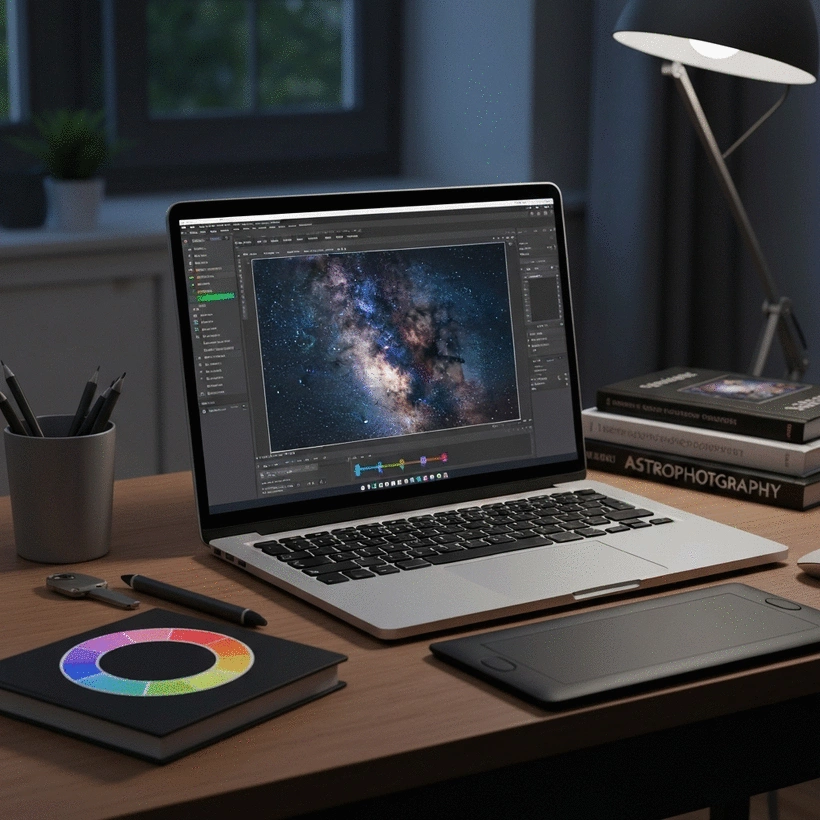
Did you know that the stunning images of the cosmos you often see are the result of meticulous post-processing? This essential step not only enhances the beauty of astrophotography but also brings out details that might otherwise go unnoticed. Let’s explore the key insights that can elevate your astrophotography experience!
What You Will Learn
- Post-processing is crucial for enhancing details and correcting errors in astrophotography images.
- Selecting the right software is essential; options range from professional tools like PixInsight to beginner-friendly programs like DeepSkyStacker.
- Techniques such as image stacking, color calibration, and noise reduction can significantly improve the quality of your images.
- Engaging with the astrophotography community can provide support, inspiration, and valuable feedback on your work.
Astrophotography Post-Processing Essentials
Transforming raw celestial data into stunning images involves specific software and techniques. This visual outlines key aspects of post-processing, from tool selection to essential methods for enhancing your astrophotography. For those just starting out, a beginner's guide to astrophotography can provide a solid foundation before diving into advanced processing.
Software Categories
- •Professional: PixInsight (Advanced)
- •Beginner-Friendly: DeepSkyStacker
- •General: Lightroom, Photoshop
Key Techniques
- •Image Stacking (Noise Reduction)
- •Color Calibration (Vibrancy)
- •Noise Reduction Algorithms
Learning Resources
- •Online Courses (Coursera, Udemy)
- •Astrophotography Blogs/Social Media
- •Forums & Communities
Community Engagement
- •Local Astronomy Events
- •Online Forums (Cloudy Nights)
- •Social Media Interaction
Understanding Post-Processing in Astrophotography
Have you ever wondered how those breathtaking images of the cosmos are created? The answer lies in post-processing, a crucial step that transforms raw data into stunning visual representations of celestial wonders. As an avid astrophotographer, I can tell you that post-processing is not just about making images look pretty; it's about enhancing the details that your camera captures and ensuring that every star shines brightly against the backdrop of the universe!

So, what exactly is post-processing? At its core, it’s the editing phase where you manipulate and enhance your astrophotography images using various software tools. This step is vital because it allows you to correct issues like color balance, noise, and overall image clarity, resulting in photographs that truly reflect the beauty of the night sky. Let’s dive deeper into this fascinating topic!
What is Post-Processing and Why is it Important?
Post-processing is the art and science of editing images after capturing them. For astrophotographers, this process can drastically improve the quality and appeal of your photographs. While the initial capture of an image is essential, the enhancement achieved in post-processing is what makes your work stand out. Here are a few reasons why post-processing is important:
- Enhances Detail: It helps to bring out details in the images that might be lost in the original capture.
- Corrects Errors: You can fix issues like light pollution, color imbalances, and unwanted noise.
- Artistic Expression: Editing allows you to express your creativity by manipulating images to achieve your desired look.
As I often remind my fellow enthusiasts at Milroy Observatory, post-processing can turn a good photograph into a spectacular one! Whether you're capturing the swirling arms of a galaxy or the delicate glow of a nebula, post-processing is the final touch that can enhance your celestial storytelling. For those looking to capture stars through long exposure, understanding these processing techniques becomes even more critical. You can learn more about capturing stars with a long exposure guide to further improve your astrophotography skills.
The Role of Editing Software in Astrophotography
Choosing the right editing software is as crucial as selecting the perfect telescope for your astrophotography journey! There are numerous options available, each with unique features tailored to different skill levels. Here are a few types of software you might consider:
- Professional Software: Tools like PixInsight offer advanced features for serious astrophotographers.
- Beginner-Friendly Options: Programs like DeepSkyStacker are perfect for those just starting out.
- General Editing Tools: Adobe Lightroom and Photoshop provide versatile features for a range of editing needs.
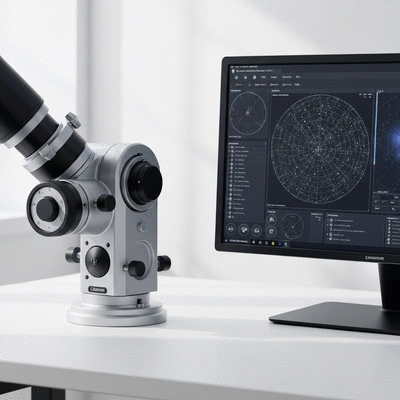
When I first started my journey into astrophotography, I experimented with several editing programs, and each one taught me something new. Depending on your needs and skill level, finding the right software can significantly enhance your post-processing workflow and ultimately the quality of your images. So don’t hesitate to explore and find the tools that resonate with your creative vision!
Did You Know?
According to a study by the American Astronomical Society, nearly 90% of astrophotographers agree that post-processing significantly enhances the visual impact of their images. This highlights the importance of mastering post-processing techniques in order to elevate your astrophotography to new heights!
Summarizing Key Takeaways for Astrophotography Enthusiasts
As we wrap up our exploration into the realm of astrophotography, it’s crucial to distill the insights we've gained into manageable takeaways. Remember, selecting the right tools and mastering your techniques can elevate your stargazing adventures to new heights! As someone who has embraced the wonders of the universe through photography, I've seen firsthand how the right software can transform ordinary images into breathtaking vistas of the cosmos.
Here are some essential points to keep in mind:
- Identify your skill level and choose software that aligns with your experience.
- Understand the importance of post-processing in enhancing the final image quality.
- Experiment with various techniques to find what works best for your style.
By focusing on these key elements, you can create stunning astrophotography images that truly reflect the beauty of the night sky. Each step in the post-processing workflow contributes to the final masterpiece, making it essential to invest time in understanding your tools.
Choosing the Right Software for Your Needs
In the vast landscape of astrophotography software, there’s something for everyone! Whether you're a seasoned pro or just starting your journey, selecting the right software can make all the difference. Here are a few tips to guide your decision-making:
- For beginners, consider user-friendly options like DeepSkyStacker to ease into the world of editing.
- If you're seeking advanced features, PixInsight offers a comprehensive suite tailored for professionals.
- For those on a budget, GIMP and Affinity Photo provide powerful functionalities without breaking the bank.
Remember, it’s about finding the right fit for your specific needs and ensuring you’re comfortable using it. Don't hesitate to try out different options until you discover what resonates with your creative vision!
Emphasizing the Importance of Techniques in Post-Processing
While software is essential, the real magic lies in the techniques you employ during post-processing. Understanding how to effectively manipulate your images can dramatically enhance their visual appeal. Here are some key techniques to consider:
- Utilize image stacking to reduce noise and improve clarity in your photos.
- Incorporate color calibration strategies to achieve rich, vibrant images.
- Apply noise reduction algorithms to eliminate unwanted artifacts from your images.
By refining these techniques, you’ll be able to elevate your astrophotography to professional levels. Each adjustment you make in post-processing is an opportunity to bring your artistic vision to life!
Next Steps for Aspiring Astrophotographers
Resources for Learning and Experimentation
For those eager to deepen their knowledge and skills in astrophotography, there are numerous resources available. From online courses to informative blogs, the internet is a treasure trove of information. Here’s where you can start:
- Online platforms like Coursera and Udemy offer structured courses.
- Follow renowned astrophotographers on social media for tips and inspiration.
- Join forums and online communities to share your work and seek feedback.
Remember, learning is a continuous journey! Engage with various formats and find what resonates most with you as you develop your skills. Additionally, mastering key astrophotography settings is crucial for capturing high-quality raw images that benefit most from post-processing.
Engaging with the Astrophotography Community for Support
Lastly, connecting with fellow enthusiasts can greatly enhance your astrophotography experience. The astrophotography community is vast and welcoming, ready to share insights and support each other. Consider these engagement strategies:
- Attend local astronomy events or workshops to meet like-minded individuals.
- Participate in online forums such as Cloudy Nights or Facebook groups dedicated to astrophotography.
- Share your work on social media and interact with other photographers for valuable feedback.
By immersing yourself in this vibrant community, you’ll find not only inspiration but also invaluable resources to help you along your journey. Remember, every great astrophotographer started just like you, fueled by curiosity and a desire to explore!
Frequently Asked Questions About Astrophotography Post-Processing
- Q: Why is post-processing important in astrophotography?
- A: Post-processing is crucial because it enhances details, corrects errors like light pollution and noise, and allows for artistic expression, transforming raw data into stunning celestial images.
- Q: What types of software are used for astrophotography post-processing?
- A: Software options range from professional tools like PixInsight, beginner-friendly programs such as DeepSkyStacker, and general editing tools like Adobe Lightroom and Photoshop.
- Q: What are some key techniques used in astrophotography post-processing?
- A: Key techniques include image stacking for noise reduction, color calibration for vibrancy, and applying noise reduction algorithms to eliminate artifacts.
- Q: How can I learn more about astrophotography post-processing?
- A: You can learn through online courses (e.g., Coursera, Udemy), astrophotography blogs and social media, and by participating in forums and online communities.
- Q: How can I engage with the astrophotography community?
- A: Engage by attending local astronomy events, participating in online forums like Cloudy Nights, and sharing your work on social media to receive feedback and inspiration.
Recap of Key Points
Here is a quick recap of the important points discussed in the article:
- Post-processing is essential for enhancing detail, correcting errors, and expressing creativity in astrophotography.
- Choosing the right software is crucial; options range from professional tools like PixInsight to beginner-friendly programs like DeepSkyStacker.
- Experimenting with various post-processing techniques can significantly improve the quality of your astrophotography images.
- Engaging with the astrophotography community can provide support, inspiration, and valuable feedback on your work.
- Utilizing resources such as online courses and forums can help you deepen your knowledge and skills in astrophotography.