Seasonal Sky Events in 2026
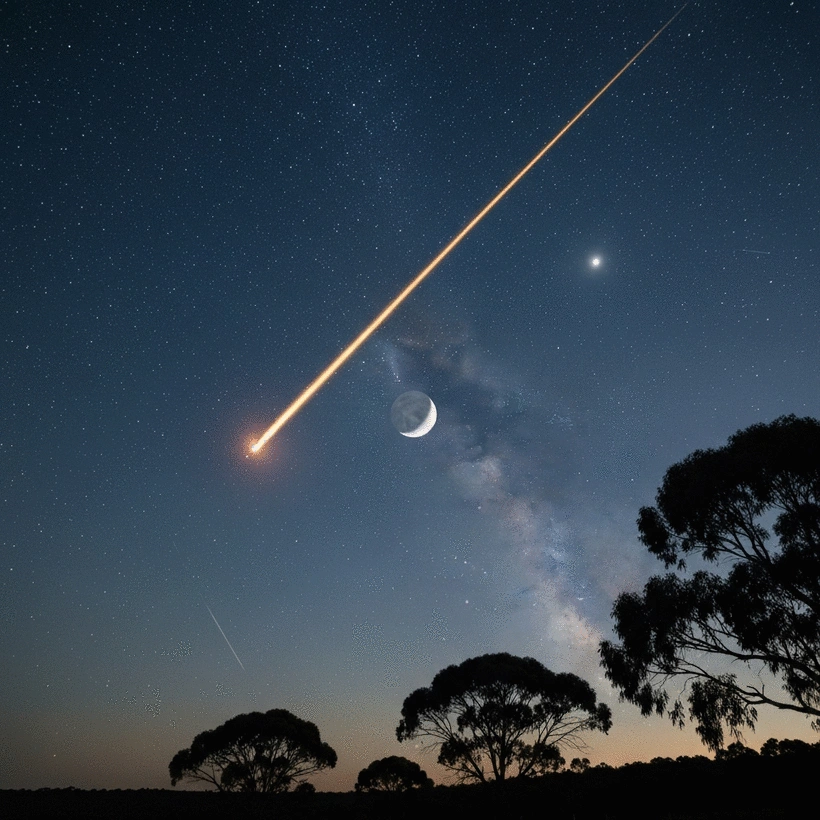
As we gear up for a year filled with celestial marvels, consider this: the night sky has the potential to inspire awe and wonder in all who gaze upon it. What can you discover in 2026?
What You Will Learn
- Key celestial events in 2026, including meteor showers and a total lunar eclipse.
- Tips for optimal stargazing, emphasizing the importance of dark locations and peak viewing times.
- Unique advantages of stargazing in Australia, such as visibility of Southern Hemisphere constellations.
- How to prepare for and enhance your skywatching experiences with the right tools and resources.
2026 Celestial Event Overview for Stargazers in Australia
Here's a summary of the key celestial events for 2026, highlighting meteor showers and eclipses, with viewing best practices. For those new to observing the night sky, our night sky observation for beginners guide offers valuable insights.
Australian Stargazing Advantages
- Dark Skies: Outback areas, national parks.
- Unique Views: Southern Cross, Magellanic Clouds.
- Local Observatories: Milroy Observatory for guidance.
Meteor Shower Characteristics
- Quadrantids: Bright, multi-colored; best post-midnight.
- Orionids: Fast meteors, glowing trails; best after midnight.
- Geminids: Known for their brightness.
2026 Night Sky Guide: Your Essential Overview of Celestial Events
The night sky in 2026 promises to be a spectacular sight, filled with a variety of celestial events that will delight stargazers across Australia. From meteor showers to eclipses, the Southern Hemisphere offers a unique vantage point to witness these astronomical phenomena. As we explore the skies this year, we’ll highlight key events and provide you with the insights needed to make the most of your stargazing adventures!
Introduction to Seasonal Sky Events in Australia
In 2026, the Southern Hemisphere will be graced with several remarkable seasonal sky events. Understanding the timing and nature of these occurrences can enhance your stargazing experience. Some of the most exciting events to look forward to include:
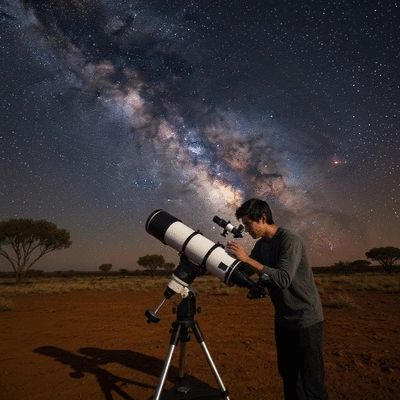
- The Eta Aquarids meteor shower in May
- A total lunar eclipse in March
- The captivating Perseids meteor shower in August
- Several comets making their appearances throughout the year
Each of these events highlights the beauty of our universe and offers a chance for families and amateur astronomers to gather under the stars, making it a fantastic year for everyone interested in the night sky!
Unique Features of Stargazing in Australia
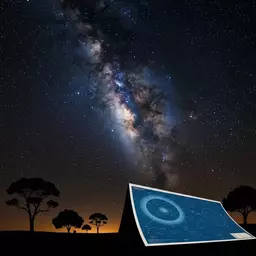
Australia is a stargazer's paradise, boasting some of the darkest skies and clearest views of the cosmos. One of the distinct advantages of stargazing here is the incredible visibility of celestial objects in the Southern Hemisphere. Unlike many northern locations, we can easily spot constellations like the Southern Cross and the Magellanic Clouds. For more details on what to expect, refer to our guide on the southern night sky tonight.
- Dark sky locations, such as outback areas and national parks, provide minimal light pollution
- The southern sky provides unique constellations not visible from the north
- Local observatories, including Milroy Observatory, offer educational resources and guidance
With its unique positioning and commitment to preserving dark skies, Australia makes it easy for enthusiasts at any level to connect with the cosmos. As the founder of Milroy Observatory, I am passionate about sharing these advantages with our community, ensuring that everyone can experience the awe of stargazing!
Significant Meteor Showers to Watch in 2026
Peak Dates and Viewing Tips for Major Meteor Showers
As we delve into the various meteor showers occurring in 2026, it’s crucial to note their peak times and viewing conditions. Noteworthy meteor showers include:
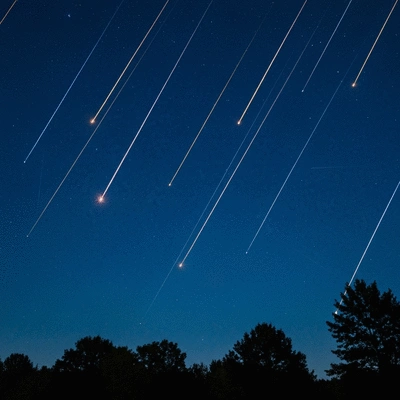
- Eta Aquarids: Peak on May 6, best viewed pre-dawn in dark locations.
- Lyrids: Visible from April 16 to 25, peaks on April 22.
- Geminids: Peak on December 14, known for bright meteors.
- Perseids: Peak on August 12 and 13, great visibility in rural areas.
For each of these events, finding a dark location away from city lights is key to maximizing your viewing experience. Grab a blanket, lay back, and watch as shooting stars streak across the sky!
Understanding the Quadrantids and Orionids: What to Look For
In addition to the major meteor showers, don’t forget to keep an eye out for the Quadrantids and Orionids. The Quadrantids are typically visible from January 28 to February 12, with their peak occurring around January 4. Meanwhile, the Orionids are visible from October 2 to November 7, peaking around October 21.
Both showers provide an opportunity to witness stunning meteors. Here’s what to look for:
- Quadrantids: Bright, multi-colored meteors, best viewed post-midnight.
- Orionids: Fast meteors that can leave glowing trails, best seen after midnight.
By understanding these unique features of each meteor shower, you can prepare yourself for a magical night of celestial viewing!
How Location Influences Meteor Shower Visibility
Your location is crucial when it comes to observing meteor showers effectively. In Australia, certain areas provide excellent viewpoints. Here are a few tips and locations to consider:
- Find a dark site away from city lights
- Choose elevated locations with an unobstructed view of the horizon
- Consider attending events at local observatories for guided experiences
By positioning yourself in these optimal locations, you can enhance your enjoyment and experience during meteor showers, bringing the cosmos to life right before your eyes!
We Want to Hear From You!
As we prepare for an exciting year of celestial events, we're curious about your stargazing plans! What event are you most looking forward to in 2026? Share your thoughts below:
Frequently Asked Questions (FAQs)
Summarizing the Key Events for 2026
As we gear up for an exciting year of celestial events, it’s essential to recap the highlights that every stargazer in Australia should mark on their calendars. From captivating meteor showers to unique eclipses, 2026 is set to be a year filled with astronomical wonders. With the right planning, you can make the most of these opportunities to connect with the cosmos.
Here are some of the key events to keep an eye out for in 2026:
- Meteor Showers: The Eta Aquarids and Geminids will be among the standout meteor showers, providing spectacular displays in the night sky.
- Total Lunar Eclipse: In March, prepare for a breathtaking total lunar eclipse that promises to be a highlight of the year.
- Comet Sightings: Keep an eye out for potential appearances of Halley’s Comet fragments, which could offer thrilling views.
These events not only showcase the beauty of our universe and also offer a perfect opportunity to gather friends and family for a night under the stars. Remember, each viewing experience is unique, so embrace the season's magic and immerse yourself in the wonders of the night sky!
Final Thoughts: Preparing for Your Skywatching Adventure
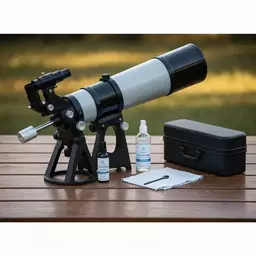
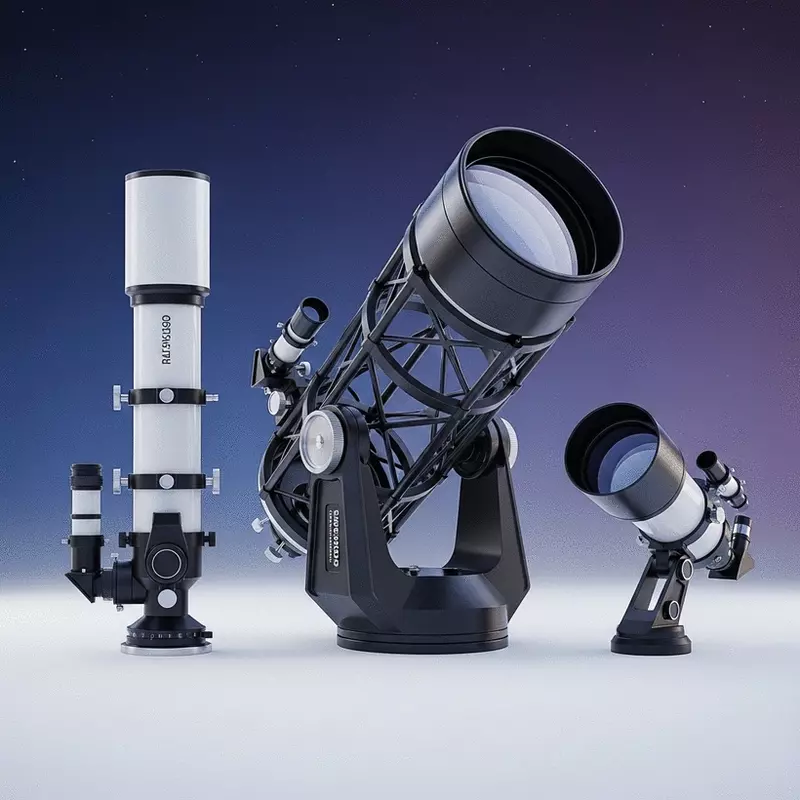
As we approach 2026, it’s time to start planning your skywatching adventures! With so many celestial events on the horizon, I encourage you to gather your loved ones, grab your beginner telescopes for stargazing Australia, and prepare for unforgettable nights filled with awe and wonder. At Milroy Observatory, we're committed to equipping you with the knowledge and resources you need to make the most of your stargazing experiences.
To help you stay organized and make the most out of your skywatching, consider utilizing our resources to enhance your adventures. We provide tools and insights to ensure that your time spent gazing at the stars is both informative and enjoyable!
Get Ready for the Night Sky: Download Your 2026 Sky Calendar
Want to keep track of all the exciting celestial events in 2026? Be sure to download our printable 2026 Sky Calendar! This handy resource will help you stay informed about key dates and times for each event, ensuring you never miss a spectacular moment in the night sky. Feel free to share it with friends and family to spread the joy of astronomy!
Recap of Key Points
Here is a quick recap of the important points discussed in the article:
- Exciting celestial events in 2026 include the Eta Aquarids, total lunar eclipse, and Perseids meteor shower.
- Australia's dark skies and clear views enhance the stargazing experience, allowing visibility of unique Southern Hemisphere constellations.
- Optimal viewing conditions for meteor showers include finding dark locations away from city lights and choosing elevated sites with unobstructed horizons.
- Local observatories offer resources and events to help enhance your astronomy knowledge and experiences.
- Make the most of your skywatching by planning ahead and utilizing resources like the printable 2026 Sky Calendar.