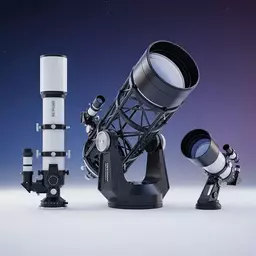
Understanding Observatories: A Beginner’s Guide

Have you ever gazed up at the night sky and wondered about the secrets it holds? Observatories are the key to unlocking those mysteries, acting as both gateways to the cosmos and hubs of scientific discovery.
What You Will Learn
- Observatories are complex research centers, not just large telescopes, with advanced technology and dedicated staff.
- Key features of observatories include advanced telescopes, research facilities, observation decks, and community outreach programs.
- Different types of observatories, such as optical, radio, and space-based, serve unique purposes in astronomical research.
- Ground-based observatories offer immediate access and community engagement, while space-based observatories provide clearer images free from atmospheric interference.
- Observatories play a critical role in modern astronomy by enabling discoveries such as exoplanets, cosmic structures, and tracking near-Earth objects.
- They inspire future generations of astronomers through interactive programs, public stargazing nights, and engaging lectures.
Observatory Types and Key Functions
Explaining the diverse roles observatories play in advancing our understanding of the universe.
Ground-based Observatories
- Affordable & Accessible
- Often host public events
- Ideal for stargazing nights
Focus: Public Engagement
Space-based Observatories
- Clearer images & data
- Free from atmospheric distortion
- Capture data from beyond Earth's atmosphere
Focus: Unhindered Data Collection
Optical Observatories
Focus on visible light for stunning images.
Function: Visual Astronomy
Radio Observatories
Utilize radio waves to study cosmic phenomena.
Function: Radio Astronomy
Understanding Observatories: The Backbone of Astronomical Research
Have you ever wondered what goes on behind the scenes at an observatory? These incredible facilities serve as the backbone of astronomical research, providing crucial insights into the universe. At Milroy Observatory, we strive to make the wonders of the night sky accessible to everyone, and understanding how observatories function is a big part of that journey!
Observatories are not just large telescopes pointed at the stars; they are complex research centers equipped with advanced technology and staffed by dedicated professionals. In this section, we’ll explore what defines an observatory, its key features, and the various types that exist today.
Defining an Observatory: What You Need to Know
So, what exactly is an observatory? In simple terms, it’s a place where astronomers observe celestial objects using telescopes and other instruments. Observatories can be found on Earth and in space, each serving unique purposes and functions. Let's break down the key features of these remarkable facilities!
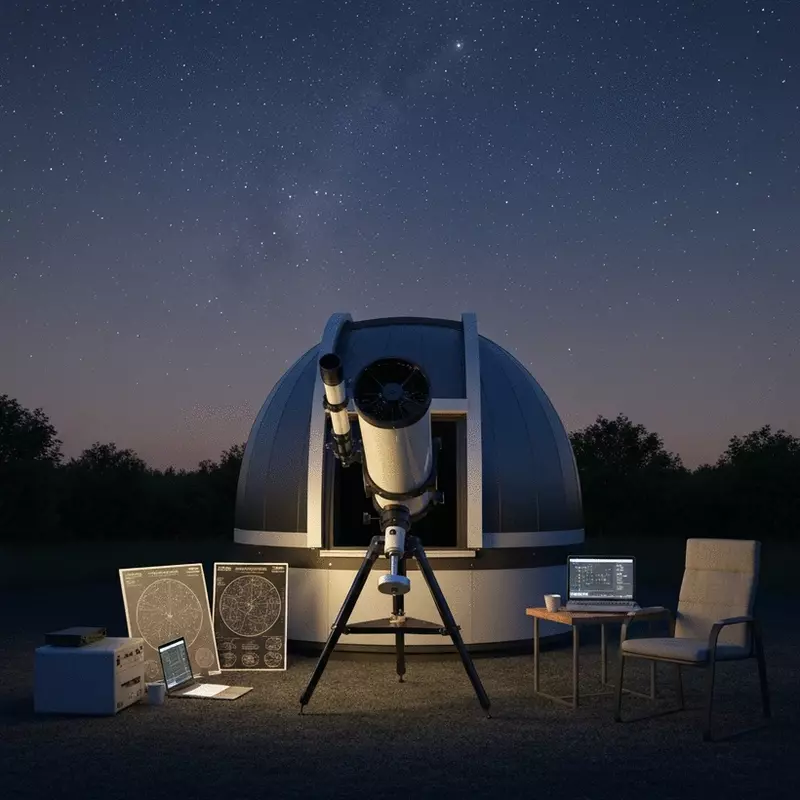
- Telescopes: The heart of every observatory, enabling the observation of distant stars and galaxies.
- Research Facilities: Labs and classrooms where data is analyzed and discoveries are made.
- Observation Decks: Areas for the public to view the night sky alongside professional astronomers.
- Community Outreach: Programs designed to educate and engage the public in astronomy.
Each of these features plays a vital role in facilitating astronomical research. They not only allow scientists to study celestial phenomena but also help nurture curiosity in budding astronomers and the general public alike!
Key Features of Astronomical Research Facilities
The key features of astronomical research facilities can include, but are not limited to:
- Advanced Telescopes: Including optical and radio telescopes.
- Data Analysis Software: Tools that help scientists interpret their findings.
- Educational Resources: Materials and programs aimed at teaching astronomy to visitors.
- Collaboration Spaces: Areas where researchers can work together on projects.
At Milroy Observatory, we embody these principles in our commitment to providing accessible and engaging resources for everyone interested in astronomy!
The Different Types of Observatories and Their Functions
Observatories come in various shapes and sizes, each serving different functions. Here are some common types you might encounter:
- Optical Observatories: Focus on visible light and provide stunning images of celestial objects.
- Radio Observatories: Utilize radio waves to study distant cosmic phenomena.
- Astronomical Satellites: Located in space, these observatories capture data from beyond the Earth’s atmosphere.
Each type of observatory plays a unique role in expanding our understanding of the universe. Their various functions complement one another, leading to a more comprehensive view of the cosmos.
Understanding Ground-based and Space-based Observatories
There are two primary categories of observatories: ground-based and space-based. Ground-based observatories, like our own Milroy Observatory, offer immediate access to the night sky, making them ideal for public engagement. Conversely, space-based observatories can capture data without the interference of Earth's atmosphere.
- Ground-based Observatories: Affordable and accessible, often host public events and stargazing nights.
- Space-based Observatories: Provide clearer images and data, as they are free from atmospheric distortion.
Both types are essential for advancing astronomical research and understanding our universe better.
The Importance of Observatories in Modern Astronomy
Now that we’ve defined what observatories are and their key features, let's talk about why they matter in modern astronomy. Observatories are critical in shaping our understanding of cosmic events and phenomena!
From discovering new planets to studying black holes, observatories contribute significantly to scientific discovery. They act as gateways to the universe, enabling researchers to explore regions of space previously beyond our reach.
We Want to Hear From You!
What excites you most about visiting an observatory? Is it the chance to look through a powerful telescope, the thrill of learning from expert astronomers, or simply the wonder of the night sky? Share your thoughts below:
Frequently Asked Questions About Observatories
What is an observatory?
An observatory is a facility equipped with telescopes and other instruments used by astronomers to observe celestial objects and conduct astronomical research. They can be located on Earth or in space.
What are the main types of observatories?
The main types include optical observatories (for visible light), radio observatories (for radio waves), and space-based observatories (satellites).
What is the difference between ground-based and space-based observatories?
Ground-based observatories are located on Earth, offering accessibility and community engagement, but are affected by atmospheric distortion. Space-based observatories operate outside Earth's atmosphere, providing clearer images and data without interference.
How do observatories contribute to modern astronomy?
Observatories are crucial for discovering exoplanets, mapping cosmic structures, tracking near-Earth objects, and providing data that advances our understanding of the universe.
How do observatories engage the public and inspire future astronomers?
They foster interest through interactive programs, public stargazing nights, guest lectures, and educational resources, making astronomy accessible and engaging for all ages.
Reflecting on the Value of Observatories for Aspiring Astronomers
Observatories play a crucial role in the journey of aspiring astronomers. They serve as gateways to understanding the universe, offering valuable resources and real-world experiences that deepen our appreciation of the cosmos. At Milroy Observatory, we strive to make these celestial wonders accessible, igniting curiosity and fostering a love for astronomy.
The impact of observatories extends far beyond just scientific knowledge. They are places where the community can gather, learn, and share a passion for stargazing. The discoveries made within these walls inspire future generations to look up at the night sky and wonder about the mysteries it holds. Every time we open our doors for public nights, we witness the spark of curiosity igniting in our visitors' eyes!
The Lasting Impact of Observatories on Scientific Knowledge
Observatories have been instrumental in shaping our understanding of the universe. They contribute significantly to various scientific fields, from astrophysics to planetary science. Here are some key areas where observatories have made a lasting impact:
- Discoveries of Exoplanets: Observatories continuously monitor distant stars for signs of orbiting planets, expanding our knowledge of potential habitable worlds.
- Mapping Cosmic Structures: They help create detailed maps of galaxies and other cosmic structures, revealing our universe's vastness and complexity.
- Tracking Asteroids and Comets: Observatories play a crucial role in identifying and tracking near-Earth objects, keeping our planet informed about potential impacts.
These contributions not only enhance scientific understanding but also inspire new generations of astronomers to explore the depths of space. Every observation made at Milroy Observatory has the power to inspire the next great discovery!
Encouraging Future Generations to Explore the Cosmos
At Milroy Observatory, we believe in nurturing the next generation of astronomers. By providing hands-on experiences and educational resources, we aim to make astronomy approachable and engaging for all ages. But how do observatories foster interest in exoplanets and cosmic phenomena?
How Observatories Foster Interest in Exoplanets and Cosmic Phenomena
Observatories spark curiosity about the universe in several ways:
- Interactive Programs: Our workshops and educational sessions allow participants to engage with astronomical concepts actively, making learning fun!
- Public Stargazing Nights: These events offer a chance for families to view planets, stars, and galaxies through powerful telescopes, creating unforgettable memories.
- Guest Lectures and Talks: Inviting experts to share their knowledge about recent discoveries encourages attendees to take a closer look at the cosmos.
When we share the wonders of the universe, we open doors to exploration and discovery. At Milroy Observatory, we’re on a mission to inspire curiosity and connection through the night sky!
Take the Next Step in Your Astronomical Journey
Are you ready to embark on your astronomical adventure? Visiting an observatory is a fantastic way to deepen your understanding of the universe. At Milroy Observatory, we are here to guide you every step of the way!
Planning Your Visit to a Local Observatory
To make the most of your experience, here are some tips for planning your visit:
- Check the Schedule: Look for upcoming events and public viewing nights to ensure you don’t miss out!
- Bring the Family: Astronomy is a fantastic family activity, so invite everyone to join in on the fun.
- Ask Questions: Don’t hesitate to ask our knowledgeable staff about what you’re observing. They love to share their passion for astronomy!
Your journey doesn’t end with a visit! By engaging with local observatories, you can continue exploring the cosmos and discovering more about the universe!
Finding Information on Upcoming Events and Programs
Stay connected with Milroy Observatory by following us on social media or visiting our website for the latest information. Our calendar is packed with events designed to engage and educate! Whether you're interested in workshops, lectures, or stargazing nights, there’s something for everyone.
Resources for Continued Learning in Astronomy
To continue your astronomical journey, we recommend the following resources:
- Online Courses: Platforms like Coursera and edX offer astronomy courses ranging from beginner to advanced levels.
- Astronomy Apps: Use apps like SkySafari or Star Walk to enhance your stargazing experience!
- Books and Magazines: Explore titles such as “Cosmos” by Carl Sagan or subscribe to publications like “Sky & Telescope” for the latest in astronomy.
These resources can help you explore astronomy further and keep your curiosity alive!

Understanding the Benefits of Visiting Public Observatories
Visiting public observatories offers numerous benefits, including:
- Hands-on Experience: Direct interaction with telescopes and other astronomical equipment enhances learning.
- Community Engagement: You’ll connect with other astronomy enthusiasts and share your passion for the night sky!
- Inspiring Discoveries: The stories and discoveries shared at observatories can ignite your imagination and inspire your own astronomical pursuits.
So what are you waiting for? Your adventure in astronomy is just a visit away!
Recap of Key Points
Here is a quick recap of the important points discussed in the article:
- Observatories are essential for astronomical research, providing tools and facilities for observing celestial objects.
- Key features of observatories include advanced telescopes, research facilities, observation decks, and community outreach programs.
- There are various types of observatories, including optical, radio, and astronomical satellites, each serving unique functions in our understanding of the universe.
- Ground-based observatories offer immediate access to the night sky, while space-based observatories provide clearer data free from atmospheric interference.
- Observatories have a lasting impact on scientific knowledge, contributing to discoveries like exoplanets and mapping cosmic structures.
- Engaging with local observatories fosters a love for astronomy and provides valuable resources for aspiring astronomers.