Beginner's Guide to Astrophotography
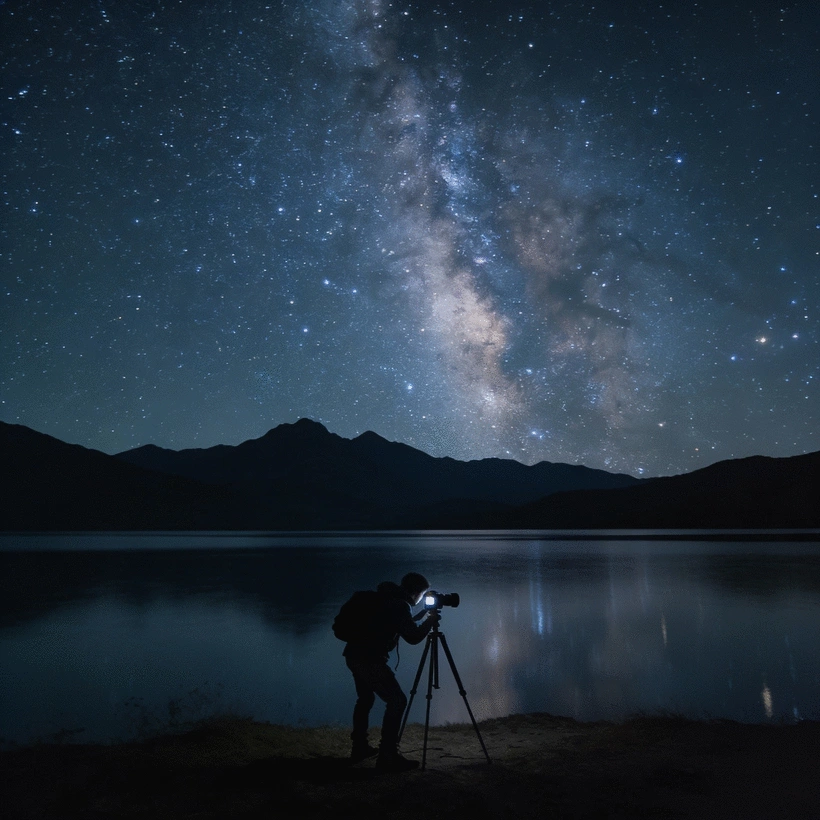
As you embark on your journey into the cosmos, consider how capturing the night sky can transform your perception of the universe. Astrophotography offers not just stunning visuals but also profound moments of discovery and connection. Are you ready to explore this captivating blend of art and science?
What You Will Learn
- Astrophotography merges technical skills with artistic expression to capture the beauty of the universe.
- Understanding essential camera settings—shutter speed, aperture, and ISO—is vital for stunning images.
- Proper planning, including location and timing, significantly enhances astrophotography results.
- Engaging with astrophotography communities and resources can provide support and further develop your skills.
Astrophotography Journey: Key Learnings and Next Steps
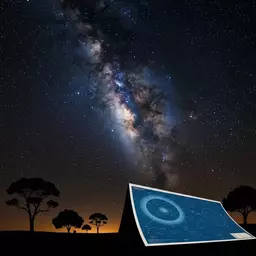
This visual summarizes the essential elements of an astrophotography journey, from foundational learnings to engaging with the community. For more guidance on equipment, check out our guide on the best budget telescope.
Key Learnings in Astrophotography
- ✓ Technical skills & artistic vision combine.
- ✓ Mastering camera settings is crucial.
- ✓ Planning improves photography results.
- ✓ Community engagement enhances skills.
Next Steps: Community & Resources
- ● Join online forums & social groups.
- ● Participate in local astronomy clubs/workshops.
- ● Attend stargazing events for tips.
- ● Follow blogs & YouTube channels.
Understanding Astrophotography: An Essential Introduction for Beginners
Astrophotography is more than just taking pictures of the night sky; it's an art form that combines technical skills with a sense of wonder. Have you ever looked up at the stars and felt a spark of curiosity about what lies beyond? Through astrophotography, we can capture stunning images of celestial bodies, revealing details that the naked eye might miss. This journey into the cosmos is not only about pictures but also about exploring the universe and sharing those experiences with others!
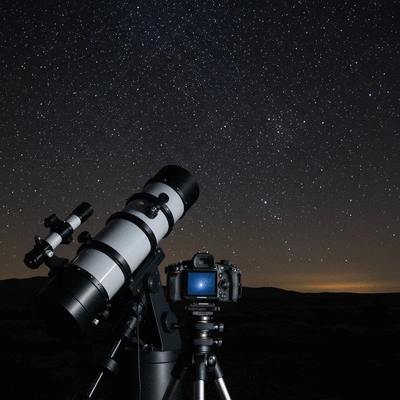
At Milroy Observatory, we believe in making astronomy accessible and exciting for everyone. Astrophotography allows you to connect with the night sky in a personal way, and I can't wait to guide you through this creative process. Let’s dive deeper into what makes astrophotography so fascinating!
What is Astrophotography and Why is it Fascinating?
Astrophotography is the practice of photographing astronomical objects, celestial events, and the night sky. It's a beautiful blend of science and art, where you can capture the grandeur of the universe in a single frame. Imagine showcasing the vibrant colors of a nebula or the intricate details of a distant galaxy. This process not only requires skill but also patience and perseverance. For those interested in understanding the science behind astronomical phenomena, explore our article on what is a supernova.
- Capturing Moments: Each photo tells a story of the universe's history.
- Exploring New Worlds: Every shot invites you to learn about different celestial objects.
- Inspiring Curiosity: Sharing your images can inspire others to look up and wonder!
As you embark on your astrophotography adventure, remember that the excitement lies not only in the final images but in the journey of learning and discovery. Whether you’re a complete novice or have some experience, there’s always something new to explore!
Key Considerations for Capturing the Night Sky
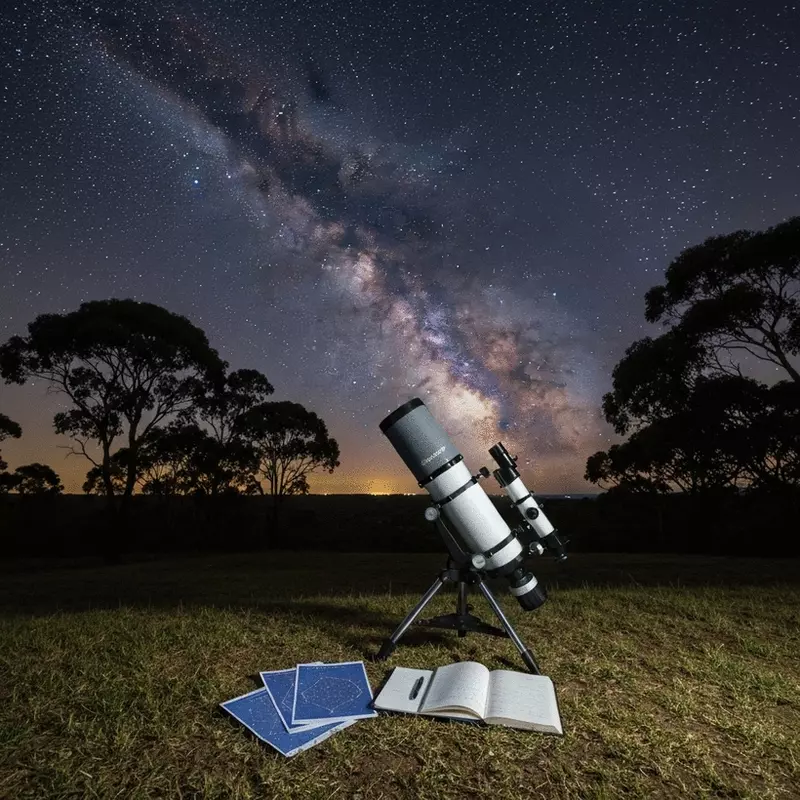
When you're ready to step out and capture the night sky, there are a few key considerations to keep in mind. First, you’ll need a clear night with minimal light pollution to appreciate the true beauty of the stars. Planning your shoot according to the moon phase can yield better results, as a full moon can wash out fainter stars.
- Location: Find a dark spot away from city lights.
- Timing: The best time for astrophotography is often during the new moon.
- Weather: Clear skies make for the best images!
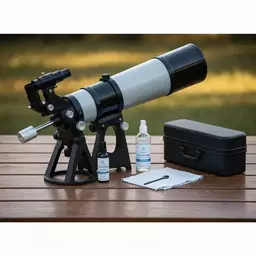
Additionally, consider the equipment you’ll need, from cameras and tripods to potentially using a telescope. At Milroy Observatory, we can help you understand the resources available for your astrophotography journey. By keeping these considerations in mind, you'll be well on your way to capturing the stunning beauty of the night sky!
Interactive Poll: Your Astrophotography Preferences
As you embark on your astrophotography journey, we want to know your preferences! What type of celestial objects are you most excited to photograph? Share your thoughts below:
Summarizing Your Astrophotography Journey: What You’ve Learned
Congratulations on embarking on your astrophotography journey! Throughout this exploration, you’ve delved into the captivating world of capturing the night sky. From understanding essential camera settings to selecting the right gear, each step has been a building block toward creating stunning images of celestial wonders. Here are some key takeaways to solidify your learning:
- Astrophotography combines technical skills with artistic vision.
- Mastering camera settings such as shutter speed, aperture, and ISO is crucial.
- Proper planning and understanding celestial events can greatly improve your photography.
- Engaging with communities and resources can enhance your skills and provide support.
Reflecting on these points will help you develop a solid foundation for your future astrophotography endeavors. Remember, every great astrophotographer began with curiosity and a willingness to learn!
Next Steps: Joining Astrophotography Communities and Resources
Now that you have a grasp of the basics, it’s time to take your passion further! I recommend connecting with fellow enthusiasts and experts to continue your journey. Here are some ways to engage with the astrophotography community:
- Join online forums and social media groups dedicated to astrophotography.
- Participate in local astronomy clubs or workshops, such as those hosted at Milroy Observatory.
- Attend stargazing events where you can share experiences and tips with others.
- Follow astrophotography blogs and YouTube channels for insights and tutorials.
By engaging with others who share your passion, you’ll find support, tips, and inspiration that can elevate your work. Plus, it’s an exciting way to stay updated on the latest in the world of astronomy!
Engage with the Night Sky: Start Your Astrophotography Adventure Today
Are you ready to take the plunge into the mesmerizing world of astrophotography? To help you get started, I’ve created a pre-shoot checklist that covers essential steps to prepare for your first shooting session. It's a handy tool to ensure you have everything you need for a successful night under the stars!
Download Our Pre-Shoot Checklist to Kickstart Your Journey
This checklist includes:
- Camera and lens setup
- Tripod and accessory checks
- Location scouting tips
- Celestial events to watch for
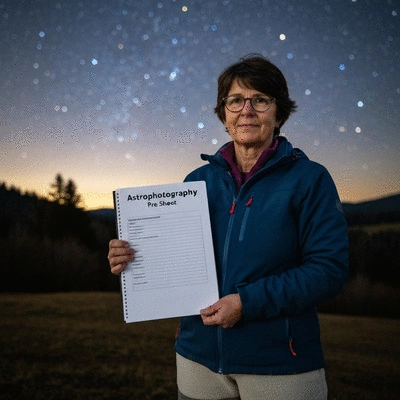
Be sure to grab your pre-shoot checklist from the Milroy Observatory website! It will guide you through your preparations, making sure you don't miss any important details.
Share Your Experiences and Questions: Join the Conversation
I would love to hear about your astrophotography experiences! Have you tried capturing the night sky? What challenges did you face, and what successes did you achieve? Feel free to share your stories and questions in the comments below. Engaging with our community will not only help you but also inspire others to take their first steps into this exciting adventure!
Let’s continue to explore the wonders of the universe together at Milroy Observatory. Your journey in astrophotography has just begun, and I can’t wait to see where it takes you! For more insights into celestial phenomena, consider reading about what is a black hole.
Recap of Key Points
Here is a quick recap of the important points discussed in the article:
- Astrophotography merges technical skills with artistic vision to capture the beauty of the universe.
- Master essential camera settings like shutter speed, aperture, and ISO to enhance your astrophotography.
- Plan your shoots around moon phases and choose locations with minimal light pollution for optimal results.
- Engage with communities and resources to gain support and inspiration on your astrophotography journey.
- Utilize a pre-shoot checklist to ensure you have all necessary equipment and preparations in place.
Frequently Asked Questions About Astrophotography
Q1: What is astrophotography?
Astrophotography is the specialized photography of astronomical objects, celestial events, and areas of the night sky. It's a blend of technical camera skills and artistic vision to capture the beauty of the universe.
Q2: What are the essential camera settings for astrophotography?
Essential camera settings include shutter speed (often long exposures), aperture (wide open for more light), and ISO (adjusted to balance light gathering and noise). Mastering these three is crucial for stunning images.
Q3: How important is planning for an astrophotography session?
Planning is vital! It involves selecting a location with minimal light pollution, timing your shoot according to moon phases (new moon is best), and checking weather forecasts for clear skies. Proper planning significantly enhances your results.
Q4: What equipment do I need to start astrophotography?
Beginner-friendly equipment typically includes a DSLR or mirrorless camera, a wide-angle lens, and a sturdy tripod. As you advance, you might consider a star tracker, a telescope, and specialized astrophotography cameras.
Q5: How can I connect with the astrophotography community?
You can connect by joining online forums and social media groups dedicated to astrophotography, participating in local astronomy clubs or workshops, attending stargazing events, and following astrophotography blogs and YouTube channels.