Capturing Stars: Long Exposure Guide
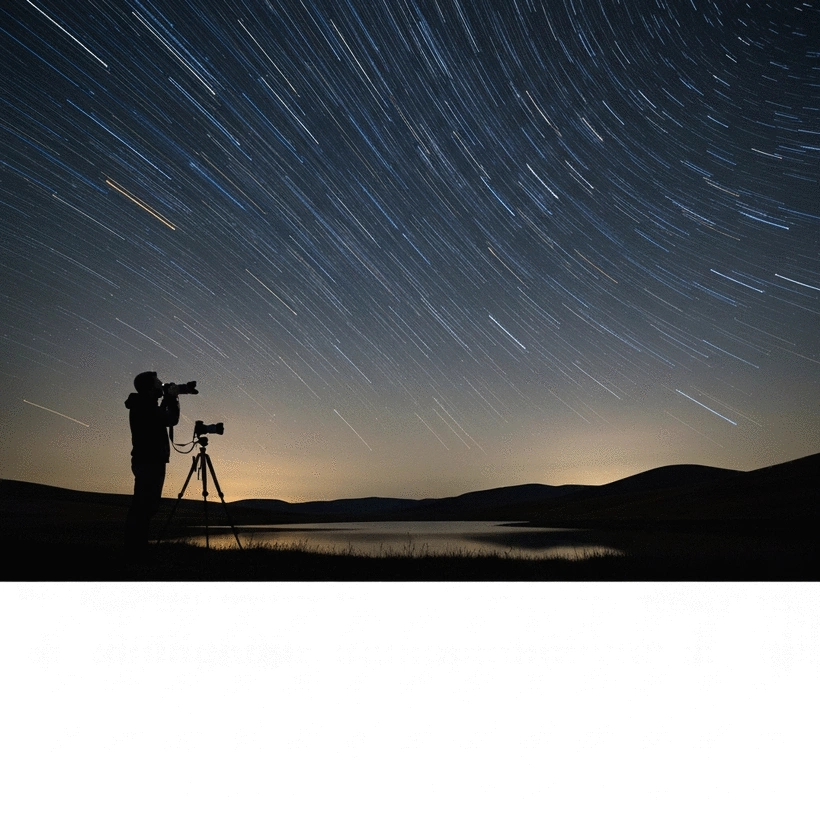
Have you ever been captivated by the shimmering stars overhead, wondering how to capture their beauty through your lens? Astrophotography invites you to explore the cosmos in ways you never thought possible. With the right techniques and equipment, you can create stunning images that reveal the intricate details of the night sky. Let's dive into the key lessons from this enlightening journey into astrophotography!
What You Will Learn
- Understanding long exposure photography is crucial for capturing stars and galaxies, requiring patience and precision.
- Essential equipment, such as a sturdy tripod and a wide-angle lens, significantly impacts the quality of astrophotography images.
- Smartphone cameras can serve as budget-friendly alternatives for beginners, allowing them to explore astrophotography without high costs.
- Avoiding common pitfalls, like neglecting manual focus and using unstable tripods, is key to achieving sharp and beautiful images.
Astrophotography Essentials: Gear and Targets
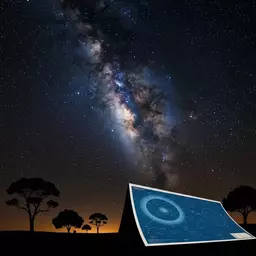
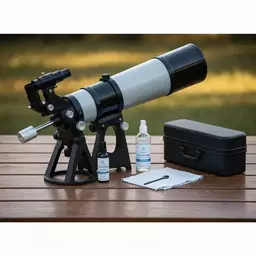
Understanding the core components of astrophotography and the celestial objects you can capture is key to success. This visual outlines essential equipment and popular targets. For those just starting out, a beginner's guide to astrophotography can provide a solid foundation.
Long Exposure Photography Fundamentals
Technique Goals
- Gather more light
- Illuminate faint objects
- Reveal vibrant colors
Key Settings/Gear
- Sturdy Tripod
- Wide Aperture (f/2.8-f/4)
- Shutter 15-30 seconds
Essential Gear & Alternatives
Must-Have Equipment
- Sturdy Tripod
- Wide-Angle Lens (f/2.8-f/4)
- Star Tracker
- DSLR Camera
- Remote Shutter Release
Budget-Friendly Options
- Smartphone Cameras
- Second-Hand Gear
- DIY Star Tracker
- Manual Settings Apps
Popular Astrophotography Targets
Target Types
- The Milky Way
- Nebulae
- Planets (Jupiter, Saturn)
Capture Tips
- Dark skies for Milky Way
- Long exposure for Nebulae
- Telescope for Planets
Setting the Stage for Capturing the Night Sky
As we embark on this exciting journey into astrophotography, it's important to set the right stage. Long exposure photography is a crucial technique that allows us to capture the enchanting details of the night sky, which often go unnoticed by the naked eye. By keeping the camera's shutter open for an extended period, we can draw out the beauty of stars and galaxies, revealing their vibrant colors and intricate structures. This ability is what truly makes astrophotography a fascinating field to explore!
Understanding Long Exposure Photography for Stars and Galaxies
Long exposure photography is all about patience and precision. The key to capturing stunning images of celestial wonders lies in understanding how to manipulate exposure time. Essentially, this technique involves using slower shutter speeds to gather more light, making it possible to illuminate faint stars and distant galaxies. Whether you're just starting out or have some experience, grasping the fundamentals of long exposure is vital to your success in astrophotography.
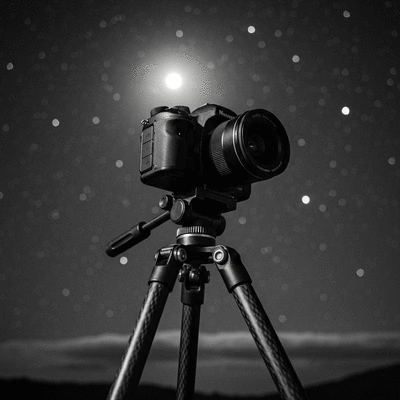
- Choose a sturdy tripod to minimize camera shake.
- Opt for a wide aperture (f/2.8-f/4) to let in more light.
- Experiment with shutter speeds of 15-30 seconds to capture a range of celestial objects.
By applying these techniques, you’ll be well on your way to creating mesmerizing astrophotography images that showcase the beauty of our universe. For more specific guidance on equipment, check out our recommendations for astrophotography gear for Australia.
Why Capture Stars and Galaxies? The Allure of Night Sky Photography
The motivation behind astrophotography often stems from a deep appreciation for the beauty and mystery of the night sky. Have you ever looked up and been inspired by the vastness of the cosmos? There is something truly magical about seeing the Milky Way stretch across the dark canvas of space. For many, capturing this beauty is a way to connect with the universe and share that wonder with others!
From a scientific perspective, photographing celestial bodies can contribute to our understanding of the universe. Astrophotography helps us document phenomena like supernovae and distant galaxies, making it a powerful tool for both amateur and professional astronomers. So, grab your camera and get ready—there’s a whole universe waiting to be captured!
Exploring Celestial Objects: Focused Astrophotography Targets
When it comes to astrophotography, knowing where to point your camera can make all the difference. Some popular celestial objects worth capturing include the breathtaking Milky Way, stunning nebulae, and even planets like Jupiter and Saturn. Each of these targets offers unique challenges and rewards!
- The Milky Way: Best captured during the darker months; look for dark skies away from city lights.
- Nebulae: Use a long exposure to highlight their colors and structures, but be aware of light pollution!
- Planets: Use a telescope attachment to get clearer images of planetary details.
With the right technique and a bit of practice, you'll be able to create breathtaking images of these celestial wonders that inspire awe and curiosity in those who see them.
Essential Gear for Astrophotography Success
As you prepare to dive deeper into the art of astrophotography, having the right gear is essential. This isn't just about high-end equipment – it's about choosing tools that work for you and your style of photography.
Must-Have Equipment for Long Exposure Star Photography
Every astrophotographer’s toolkit should include some fundamental equipment that can elevate your night sky photography.
- Tripod: A sturdy tripod is critical for stabilizing your camera during long exposures.
- Wide-Angle Lens: Look for lenses with an aperture of f/2.8 to f/4 that allow more light to enter.
- Star Tracker: This device helps track the movement of stars across the sky, preventing star trails in your images.
By equipping yourself with these essentials, you’ll set yourself up for success as you explore the wonders of astrophotography. Each piece of gear plays a role in capturing stunning images that showcase the night sky.
Utilizing a DSLR Camera and Remote Shutter Release for Optimal Results
One of the best investments you can make in your astrophotography journey is a quality DSLR camera. These cameras offer the flexibility to adjust settings crucial for long exposure photography. Coupled with a remote shutter release, you can minimize camera shake and achieve sharper images.
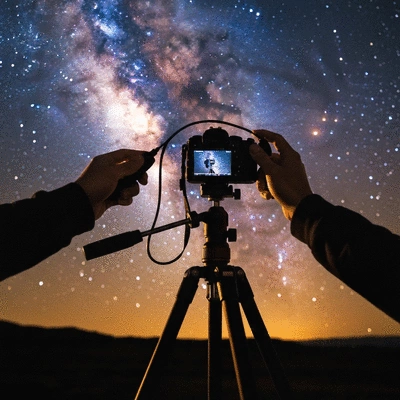
Using a remote shutter release allows you to take shots without physically touching the camera. This is especially important during long exposure photography, where even the slightest movement can ruin your shot. So, whether you’re capturing a vibrant nebula or the shimmering Milky Way, this combination will help you achieve the best results!
Budget-Friendly Alternatives for Beginners
Don’t let a tight budget hold you back from exploring astrophotography! There are plenty of budget-friendly alternatives that can produce impressive results.
- Smartphone Cameras: Many smartphones have excellent low-light capabilities suited for astrophotography. Utilize apps that allow manual control of settings.
- Second-Hand Gear: Consider purchasing used tripods and lenses that are still in great condition.
- DIY Solutions: You can create your own star tracker using simple materials if you're feeling handy!
With some creativity and resourcefulness, you can embark on your astrophotography adventure without breaking the bank!
Pro Tip
To enhance your astrophotography skills, consider using a remote shutter release. This essential tool minimizes camera shake during long exposures, helping you achieve sharper images of the night sky. Additionally, experimenting with different ISO settings can help you find the perfect balance between brightness and noise, giving you the best possible results!
Frequently Asked Questions About Astrophotography
Here are some common questions about astrophotography, covering key aspects discussed in this article:
- 1. What is long exposure photography in astrophotography?
- Long exposure photography involves keeping the camera's shutter open for an extended period (15-30 seconds or more) to gather more light from faint celestial objects like stars and galaxies, revealing their details and colors.
- 2. What essential equipment do I need for astrophotography?
- Key equipment includes a sturdy tripod, a wide-angle lens (f/2.8-f/4), a DSLR camera, and a remote shutter release. A star tracker is also highly recommended to prevent star trails.
- 3. Can I do astrophotography with a smartphone?
- Yes, many modern smartphones have excellent low-light capabilities and can be used for astrophotography, especially with apps that allow manual control of settings. They serve as a great budget-friendly option for beginners.
- 4. What are some common mistakes to avoid in astrophotography?
- Common mistakes include not allowing sufficient exposure time, neglecting manual focus (always focus on a bright star), and using an unstable tripod. Ensuring your battery is charged and memory space is clear is also crucial.
- 5. How important is location and weather for astrophotography?
- Location scouting for dark skies with minimal light pollution and clear horizons is crucial. Favorable weather conditions (clear skies, no clouds) and monitoring the moon phase (avoiding a full moon for fainter objects) significantly impact image quality.
Wrapping Up Your Astrophotography Journey
Tips for Avoiding Common Astrophotography Mistakes
As you embark on your astrophotography journey, it's essential to avoid some common pitfalls that many beginners encounter. One frequent mistake is not allowing enough time for the camera to gather light during long exposures. It can lead to grainy images that fail to capture the beauty of the night sky.
Another mistake is neglecting to check your focus. Always ensure you're manually focusing on a bright star or planet. Lastly, remember to use a sturdy tripod; shaky setups can ruin your hard work! Here are a few key points to keep in mind:
- Don't rush your settings; take time to adjust.
- Always focus manually on a bright star.
- Ensure your tripod is stable and secure.
- Check battery life and memory space before heading out.
Staying mindful of these tips will enhance your experience and help you capture stunning images of the cosmos!
Continuing Your Astrophotography Education and Experience
Astrophotography is an ever-evolving field, and there’s always more to learn. I encourage you to seek out resources that can deepen your understanding of the universe. Whether it's books, online courses, or community forums, expanding your knowledge will enhance your skills.
Engaging with fellow astronomy enthusiasts can also provide invaluable insights and motivation. There are many great online communities where you can share your experiences and receive constructive feedback. Don’t hesitate to connect with others who share your passion for the stars!
Exploring Photography Workshops and Online Tutorials for Skill Development
Participating in photography workshops can be a game-changer for aspiring astrophotographers. These hands-on experiences provide guidance from experts and the opportunity to practice your skills in real-time. At Milroy Observatory, we often host workshops where you can learn directly from experienced photographers and astronomers!
Additionally, online tutorials are an excellent way to enhance your astrophotography techniques. Many platforms offer step-by-step videos that cover various aspects, from camera settings to post-processing. Here are some options to consider:
- Local astronomy clubs for in-person workshops.
- Online courses on platforms like Udemy or Coursera.
- YouTube channels dedicated to astrophotography tips.
These resources will help you refine your craft and understand the intricacies of capturing the night sky.
Take Action and Capture the Stars
Getting Started with Your First Long Exposure
Now that you've armed yourself with knowledge, it’s time to take action! I encourage you to plan your first astrophotography outing. Start by choosing a location with minimal light pollution. Parks or rural areas away from city lights are ideal.
Gather your gear, check the weather, and set your expectations. Remember, the first outing may not yield perfect results, but every attempt is a learning opportunity. Embrace the journey!
Location Scouting and Weather Conditions for Successful Astrophotography
When it comes to astrophotography, scouting the right location is crucial. Look for places that offer dark skies and clear horizons. Use apps like Light Pollution Map or Dark Sky Finder to identify ideal spots.
Don't forget to consider weather conditions! Clear skies are essential, but also keep an eye on the moon phase. A full moon can wash out fainter stars. Here are some tips for successful location scouting:
- Utilize light pollution maps to find dark areas.
- Check weather forecasts for cloud cover.
- Visit potential spots during the day to find the best angles.
Taking the time to scout your locations will greatly improve your chances of capturing breathtaking images.
Sharing Your Astrophotography Success Stories
Your journey into the cosmos doesn’t have to be solitary! I invite you to share your astrophotography success stories with our growing community at Milroy Observatory. Whether you've captured a stunning image of the Milky Way or have questions about a particular technique, your voice adds depth to our collective experience.
Join us in the comments or on our social media platforms to share your photos and discuss your experiences. Let's inspire each other and continue to ignite curiosity about the wonders of the universe! If you're looking for a great starting point for your observing, consider exploring the southern night sky tonight.
Recap of Key Points
Here is a quick recap of the important points discussed in the article:
- Utilize long exposure photography techniques to capture stunning images of stars and galaxies.
- Invest in essential gear such as a sturdy tripod, wide-angle lens, and a star tracker for optimal results.
- Explore popular celestial objects like the Milky Way, nebulae, and planets for diverse photography opportunities.
- Avoid common mistakes by ensuring proper light gathering time, manual focus, and a stable setup.
- Participate in workshops and online tutorials to enhance your astrophotography skills and knowledge.
- Scout locations with minimal light pollution and favorable weather conditions for the best results.