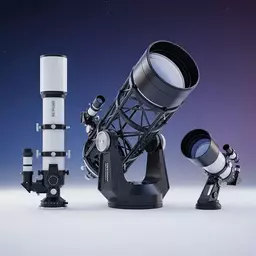
Exploring Different Types of Observatories
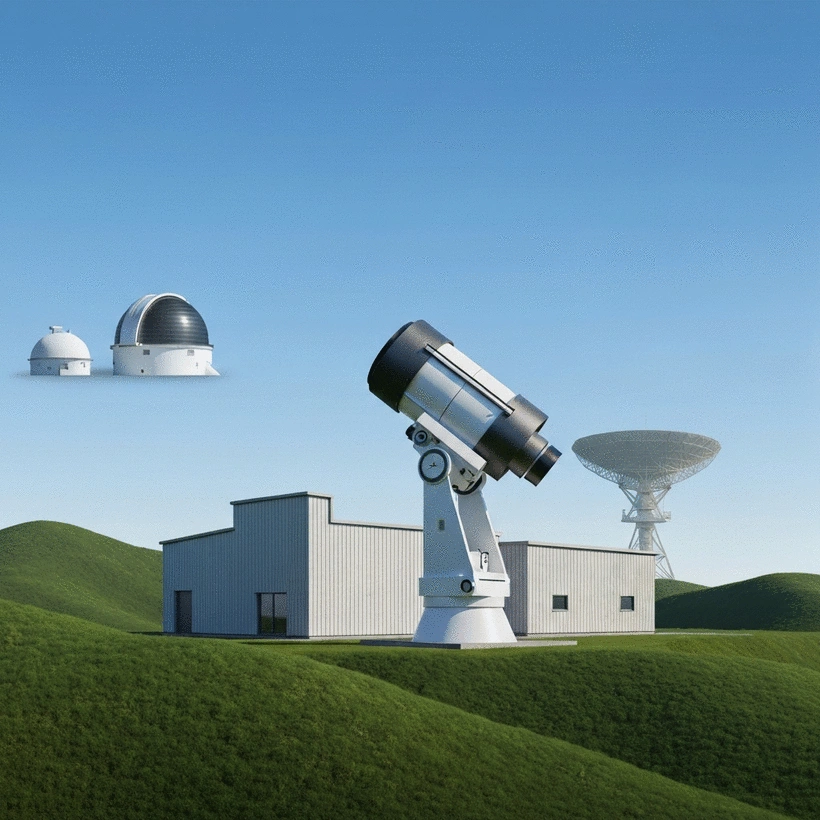
As we gaze into the cosmos, observatories stand as our portals to the universe. Have you ever pondered the vital role they play in enhancing our understanding of the night sky? This exploration will illuminate the significance, types, and future innovations of these astronomical havens.
What You Will Learn
- Observatories are crucial for data collection, public engagement, and advancing research in astronomy.
- There are various types of observatories, including ground-based, space telescopes, and radio observatories, each with unique capabilities.
- Key features of observatories include high-powered telescopes, research facilities, and public outreach centers designed to enhance community involvement.
- Next-generation telescopes will utilize adaptive optics, multi-wavelength observations, and increased sensitivity to revolutionize our understanding of celestial phenomena.
- Hybrid observatories will combine ground-based and space-based technologies to provide comprehensive data analysis and foster collaboration among astronomers.
- Innovations in astronomy software, including artificial intelligence and real-time data processing, will make context complex data more accessible to both professionals and amateurs.
Overview of Observatory Types and Future Innovations
Delve into the diverse world of observatories, from their foundational types to the cutting-edge technologies shaping their future, presented in a concise overview below. For those just beginning their astronomical journey, an excellent resource is Understanding Observatories: A Beginner's Guide.
Types of Observatories
- Ground-Based: Rely on telescopes on Earth for direct observation.
- Space Telescopes: Located beyond Earth's atmosphere for clearer images.
- Radio Observatories: Use radio waves to study phenomena invisible to optical telescopes.
Next-Gen Telescope Innovations
- Adaptive Optics: Corrects atmospheric distortions for clearer images.
- Multi-wavelength: Captures data across various wavelengths for comprehensive views.
- Increased Sensitivity: Detects fainter objects, revealing hidden wonders.
Hybrid Observatories & Impact
- Comprehensive Data: Combines data from ground and space for robust conclusions.
- Cost-Effective: Optimizes resource allocation with existing ground facilities.
- Enhanced Collaboration: Fosters teamwork for complex astronomical challenges.
Innovations in Astronomy Software
- Artificial Intelligence: Identifies patterns in massive datasets, accelerating discoveries.
- Real-Time Processing: Enables instant analysis and global collaboration.
- User-Friendly Interfaces: Simplifies engagement with complex data for all enthusiasts.
Understanding Different Types of Observatories
As we embark on our journey through the cosmos, understanding the role of observatories is essential. Observatories are the gateways to the universe, allowing us to explore the mysteries of the night sky. They serve as crucial facilities where astronomers can conduct research, collect data, and share their findings with the public. At Milroy Observatory, we believe that making this knowledge accessible fosters a deeper appreciation for the wonders of astronomy.
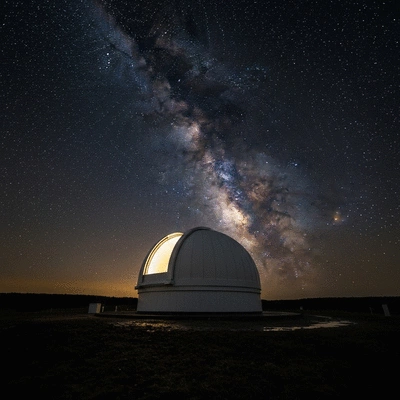
With a variety of observatories available around the globe, each specializes in different aspects of astronomical study. From the twinkling stars to the farthest galaxies, observatories help us peer into the vastness of space, unlocking secrets that were once hidden. Let’s dive into the significance of observatories and the different types that exist!
The Importance of Observatories in Astronomy
Observatories are essential in the field of astronomy for several reasons, including:
- Data Collection: They gather invaluable information about celestial bodies and phenomena.
- Public Engagement: Observatories, like Milroy, play a key role in educating the public and inspiring curiosity about the universe.
- Research Advancement: They are sites for groundbreaking research that can lead to new discoveries and innovations.
By providing crucial data and encouraging community involvement, observatories help bridge the gap between complex scientific concepts and the general public. This is one of the reasons why I am so passionate about sharing my love for astronomy through Milroy Observatory. To experience our facilities firsthand, consider visiting during the Stargazing Months at Milroy Observatory.
Types of Observatories: An Overview
There are several types of observatories, each designed to study specific aspects of the universe:
- Ground-Based Observatories: These rely on telescopes stationed on Earth, allowing astronomers to observe celestial events directly.
- Space Telescopes: Located beyond Earth’s atmosphere, these telescopes capture clearer images by avoiding atmospheric distortion.
- Radio Observatories: These use radio waves to study astronomical objects, offering insights into phenomena invisible to optical telescopes.
Understanding these different types helps us to appreciate the diverse approaches used to study the cosmos. Each type of observatory has its unique advantages and challenges, which we'll explore in greater detail throughout this article.
Key Features of Astronomical Observatories Around the World
Astronomical observatories are equipped with various features that enhance their functionality and research capabilities. Some key features include:
- High-Powered Telescopes: These instruments allow astronomers to observe distant celestial events in detail.
- Research Facilities: Many observatories include laboratories for analyzing data and conducting experiments.
- Public Outreach Centers: These spaces educate visitors about astronomy and provide engagement opportunities through events and workshops.
These features help observatories fulfill their mission of making astronomy accessible, just like we strive to do at Milroy Observatory. Our goal is to inspire curiosity and provide hands-on experiences for everyone interested in the night sky!
Frequently Asked Questions About Observatories
Here are some common questions about observatories, their functions, and their future:
- Q: What is the primary purpose of an observatory?
- A: Observatories primarily serve to collect data about celestial bodies and phenomena, conduct astronomical research, and engage the public through educational programs.
- Q: What are the main types of observatories?
- A: The main types are ground-based observatories (using Earth-based telescopes), space telescopes (located beyond Earth's atmosphere for clearer images), and radio observatories (studying phenomena using radio waves).
- Q: How do next-generation telescopes improve upon current technology?
- A: Next-generation telescopes feature innovations like adaptive optics to correct atmospheric distortions, multi-wavelength observation capabilities for comprehensive views, and increased sensitivity to detect fainter objects.
- Q: What are hybrid observatories?
- A: Hybrid observatories combine ground-based and space-based technologies to offer comprehensive data analysis, cost-effective solutions, and enhanced collaboration among scientists.
- Q: How is software innovation impacting astronomy?
- A: Innovations in astronomy software, including artificial intelligence for pattern identification, real-time data processing, and user-friendly interfaces, are making complex astronomical data more accessible and accelerating discoveries.
Interactive Poll: Share Your Thoughts!
As we explore the wonders of observatories, we want to know: What aspect of astronomy fascinates you the most? Is it the technology behind telescopes, the mysteries of black holes, or the beauty of the night sky? Let us know your preference below:
Future of Observatories: Emerging Technologies and Innovations
As we gaze into the future of astronomy, it’s exhilarating to think about the emerging technologies that will shape the next generation of observatories. With advancements in both hardware and software, we are on the verge of breakthroughs that will deepen our understanding of the cosmos. Have you ever wondered how tomorrow's telescopes will help us discover new celestial phenomena?

From larger, more powerful telescopes to innovative methods of data collection, the next generation of observatories promises to revolutionize our stargazing experiences. At Milroy Observatory, we are dedicated to keeping our community informed about these exciting changes!
What to Expect from Next-Generation Telescopes
Next-generation telescopes are designed to overcome current limitations while enhancing our observational capabilities. Here are a few expected innovations:
- Adaptive Optics: This technology helps correct for atmospheric distortions, allowing for clearer images of distant celestial objects.
- Multi-wavelength Observations: Future telescopes will capture data across various wavelengths, offering a more comprehensive view of astronomical events.
- Increased Sensitivity: Advances in technology will allow telescopes to detect fainter objects, unveiling previously hidden wonders of the universe.
These innovations will not only enhance our observations but also provide a deeper understanding of the origins and behaviors of celestial bodies. Imagine being able to see the faint glow of distant galaxies that were once lost to us!
Hybrid Observatories and their Potential Impact on Astronomy
Hybrid observatories combine ground-based and space-based technologies to maximize observational effectiveness. By leveraging both platforms, astronomers can gather a wealth of data that takes advantage of the strengths of each type. Here are some potential benefits:
- Comprehensive Data Analysis: Combining data from different sources allows for more robust scientific conclusions.
- Cost-Effective Solutions: By utilizing existing ground facilities along with new space missions, hybrid observatories can optimize resource allocation.
- Enhanced Collaboration: Hybrid observatories foster collaboration among scientists, enabling them to tackle complex astronomical challenges together.
At Milroy Observatory, we are enthusiastic about the possibilities these hybrid systems bring, particularly in engaging our community with hands-on experiences that relate to these innovations! For those interested in personal observation, choosing the right equipment is key, and our guide on Beginner Telescopes for Stargazing in Australia can help.
Innovations in Astronomy Software for Enhanced Data Analysis
The future of observatories is not just about hardware; it’s also about the software that processes and analyzes data. Improved algorithms and machine learning techniques are paving the way for more efficient data analysis. Here are some exciting developments to look out for:
- Artificial Intelligence: AI can assist in identifying patterns within massive datasets, helping researchers make discoveries faster.
- Real-Time Data Processing: Innovations are enabling astronomers to analyze and share data instantly, fostering global collaboration.
- User-Friendly Interfaces: Advances in software design will make it easier for amateur astronomers and enthusiasts to engage with complex data.
As we embrace these new tools, the accessibility of astronomy will grow, making it even easier for curious minds to dive into the wonders of the universe! Learning about understanding how observatories operate can provide further insight into the practical applications of these software innovations.
Recap of Key Points
Here is a quick recap of the important points discussed in the article:
- Data Collection: Observatories play a critical role in gathering valuable information about celestial bodies and phenomena.
- Types of Observatories: Different observatories, including ground-based, space telescopes, and radio observatories, each have unique advantages for studying the universe.
- Key Features: High-powered telescopes, research facilities, and public outreach centers enhance the functionality and engagement of observatories.
- Future Innovations: Emerging technologies such as adaptive optics and AI-driven data analysis promise to revolutionize observational capabilities.
- Hybrid Observatories: These combine ground and space-based technologies for comprehensive data analysis and enhanced collaboration within the scientific community.