Guide to Your Home Observatory
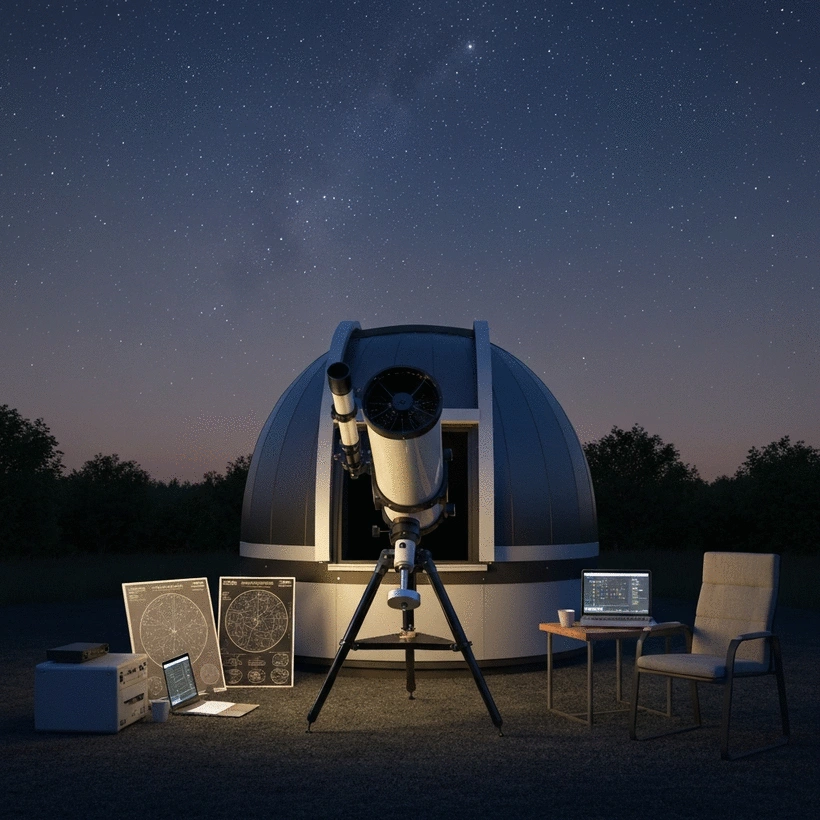
Have you ever felt that spark of curiosity while gazing at the night sky? Building a home observatory can transform that curiosity into a rewarding hobby, making the cosmos accessible right from your backyard.
What You Will Learn
- Building a backyard observatory enhances convenience, allowing you to stargaze without traveling.
- Personalizing your observatory increases your engagement and enjoyment in exploring the universe.
- Creating a DIY observatory is cost-effective and provides hands-on learning about astronomy.
- Engaging with the astronomy community enriches your experience and fosters lasting connections.
- A well-planned budget can help you build a quality observatory under $30K without sacrificing essential features.
- Investing in quality equipment enhances performance and durability, saving you money in the long run.
Home Observatory Project Cost Breakdown
Here's a breakdown of the typical costs involved in building a low-cost home observatory, staying under $30,000. For those just starting their astronomical journey, understanding the basics of observatories is a great first step.
Total Estimated Budget: Under $30,000
Site Preparation
Land clearing, leveling, landscaping.
$1,000 - $3,000
Structure Costs
Materials and labor for observatory design.
$3,000 - $10,000
Telescope & Equipment
Telescope, accessories, and mounts.
$2,500 - $6,000
Utilities & Final Touches
Electricity, plumbing, insulation, painting.
$3,000 - $6,000
Understanding the Purpose of a Home Observatory
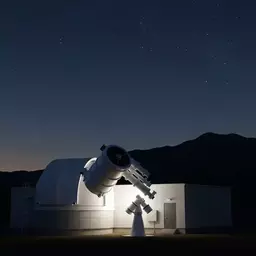
Have you ever gazed up at the night sky and felt a twinge of curiosity about the universe? Building a home observatory can transform that curiosity into a rewarding hobby. Creating a backyard observatory allows you to explore the cosmos from your own home, making it accessible for you and your family, just like we do at Milroy Observatory!
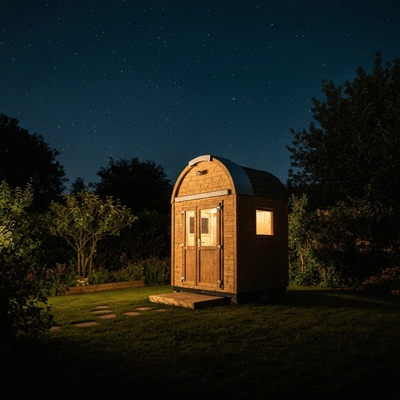
So, why should you consider building a backyard observatory? It’s not just about stargazing; it’s about deepening your understanding of the universe and sharing that knowledge. Imagine inviting friends over for an evening under the stars, where you can share fascinating insights about celestial bodies and phenomena.
Why Build a Backyard Observatory?
There are several reasons anyone might want to build a backyard observatory. Here are a few that stand out:
- Convenience: No need to travel to a remote location to enjoy stargazing.
- Personalization: Design your space to suit your own observing style and preferences.
- Educational Opportunities: A home observatory is a great educational tool for family and friends.
- Community Building: Engage with local astronomy enthusiasts and foster a sense of community.
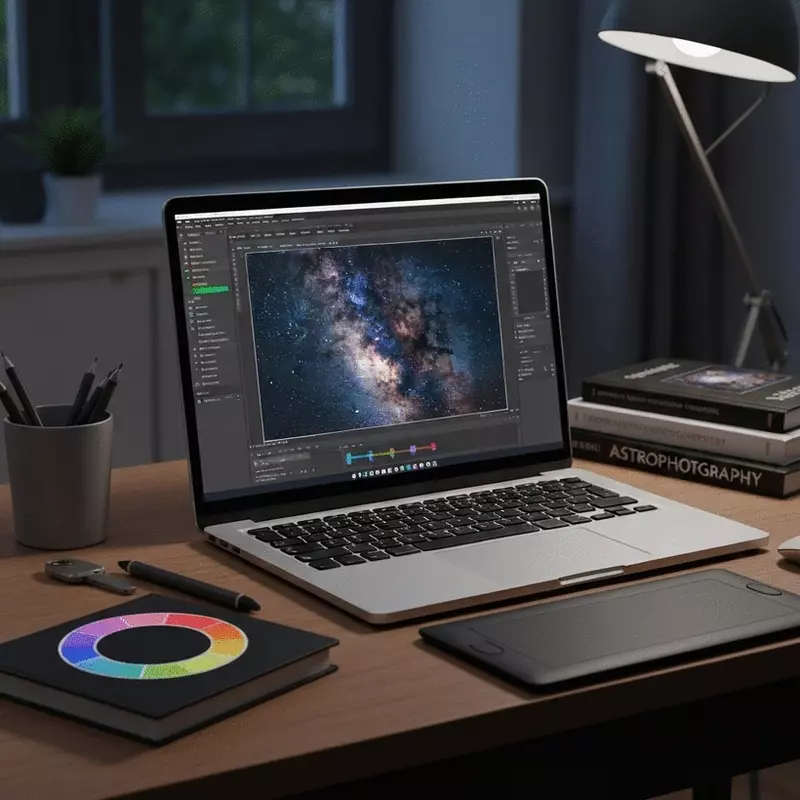
Creating a personal observatory not only enhances your stargazing experience but also encourages learning and social interaction. As someone passionate about astronomy, I believe it is vital to share this journey with others, just as we do at Milroy Observatory! For those interested in capturing these celestial wonders, a beginner's guide to astrophotography can help you get started.
Benefits of DIY Observatories for Astronomy Enthusiasts
Constructing a DIY observatory offers unique benefits tailored for the astronomy enthusiast. First, you get to dive deep into the world of astronomy by creating your own space. This hands-on approach lets you learn more about the equipment and techniques involved in stargazing.
- Cost-Effectiveness: Building your own observatory can save you money compared to professional setups.
- Flexibility: You can make changes and upgrades as you learn and discover new interests in astronomy.
- Skill Development: Gain practical skills in construction, electronics, and telescope operations.
By engaging in DIY observatories, you become not just an observer but an astronomer who understands the intricacies of the equipment and the night sky. This empowerment aligns perfectly with our mission at Milroy Observatory—to ignite curiosity and foster a love for astronomy!
Exploring the Astronomy Community and its Impact on Observers
The astronomy community is a vibrant and welcoming place for enthusiasts of all levels. Being part of this community can significantly enhance your observing experience. Local clubs and online forums provide support, resources, and camaraderie that can help you grow in your journey.
- Networking: Establish connections with fellow enthusiasts for sharing tips and experiences.
- Events: Participate in star parties or public outreach events.
- Resources: Access diverse educational resources and workshops.
By engaging with the astronomy community, you'll not only deepen your understanding of astronomy but also build lasting friendships. Just as we at Milroy Observatory aim to connect aspiring astronomers with the wonders of the universe, you can create an inviting atmosphere in your backyard observatory that fosters similar experiences!
We Want to Hear From You!
What excites you the most about building your own backyard observatory? Share your thoughts below:
Budgeting for Your Home Observatory Project
Building a home observatory is an exciting journey, but it’s essential to have a clear budget in mind! As someone who has navigated the costs of creating Milroy Observatory, I can tell you that understanding the financial aspects is crucial for success. Let’s break down how you can build a low-cost observatory without compromising quality!
Cost Breakdown: Building a Low-Cost Observatory under $30K
When considering a budget, it’s helpful to categorize expenses into several key areas. Here’s a simple cost breakdown to help you visualize what to expect:
- Site Preparation: Land clearing, leveling, and landscaping may set you back $1,000 to $3,000.
- Structure Costs: Depending on the design, expect to pay between $3,000 and $10,000 for materials and labor.
- Telescope and Equipment: A good telescope can range from $1,500 to $5,000, while accessories and mounts may add another $1,000.
- Utilities: If you need electricity or plumbing, budget about $2,000 to $5,000.
- Final Touches: Consider additional expenses like insulation, painting, or flooring, typically around $1,000.
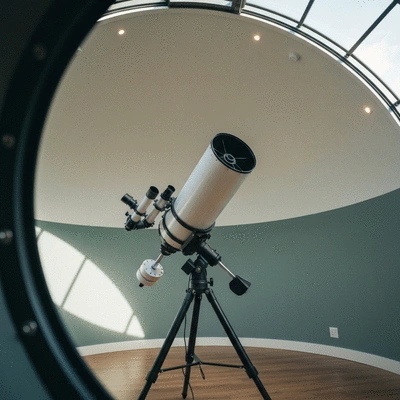
Overall, if you plan wisely, constructing an observatory under $30K is achievable, allowing you to enjoy the wonders of the night sky without breaking the bank!
Considering Long-term Investments vs. Initial Costs
As you budget for your observatory, it’s important to think about long-term value. While it might be tempting to skimp on initial purchases, investing in higher-quality equipment can save you money down the road.
- Durability: Quality materials last longer and require less maintenance.
- Performance: Better equipment often means improved performance, which enhances your observing experience.
- Future-proofing: Investing in versatile tools now can accommodate future upgrades without needing complete replacements.
Remember, spending a bit more upfront can lead to greater satisfaction and fewer regrets later on! For instance, choosing durable essential telescope accessories can significantly enhance your experience and avoid frequent replacements.
Evaluating Costs of Essential Astronomical Equipment
While setting up your observatory, understanding the costs of essential equipment is vital. Let’s take a closer look at the must-have items and their potential price ranges:
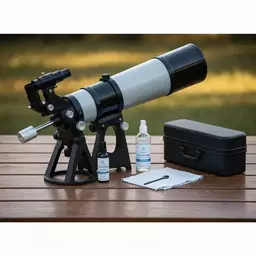
- Telescope: A quality telescope can vary widely, from $500 for a basic model to over $10,000 for advanced systems.
- Mounts: Equatorial mounts might cost around $1,000, while more basic altazimuth mounts can be found for $300 to $500.
- Imaging Gear: Entry-level cameras for astrophotography start around $500, whereas more advanced options can go upwards of $5,000.
- Software: Astronomy software typically ranges from free options to $200 for premium versions.
By evaluating these costs, you can make informed decisions that align with your budget and observing goals!
Frequently Asked Questions About Building a Home Observatory
Recap of Key Points
Here is a quick recap of the important points discussed in the article:
- Building a backyard observatory enhances accessibility to stargazing and deepens understanding of the universe.
- DIY observatories offer cost-effectiveness, flexibility, and skill development for astronomy enthusiasts.
- Engaging with the astronomy community provides networking opportunities, resources, and shared experiences.
- Budgeting for your observatory is crucial; plan for site preparation, structure costs, and essential equipment.
- Investing in quality equipment can provide long-term benefits and better performance for your stargazing experience.