Telescopes: Refractor, Reflector, Catadioptric
As you embark on your journey of stargazing, understanding the tools at your disposal can unlock a universe of possibilities. Telescopes aren't just instruments; they're gateways to the cosmos, each with its unique features and capabilities. Let’s delve into the most crucial insights that will enhance your astronomical pursuits!
What You Will Learn
- Types of Telescopes: Learn the main types—refractors, reflectors, and catadioptrics—and their unique benefits for different observation needs.
- Choosing the Right Telescope: Understand key factors such as purpose, budget, and experience level to find the perfect telescope for your astronomical adventures.
- Mount Types Matter: Discover the differences between altazimuth and equatorial mounts, and how each can enhance your stargazing experience.
- Engage with the Community: Find out how joining forums and astronomy groups can enrich your knowledge and inspire new discoveries.
- Stay Updated: Keep abreast of the latest telescope trends and innovations to make informed decisions about your equipment.
Types of Telescopes: Key Features and Ideal Uses
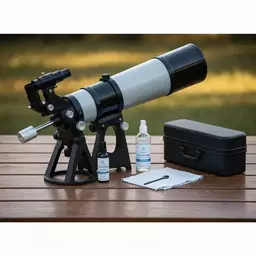
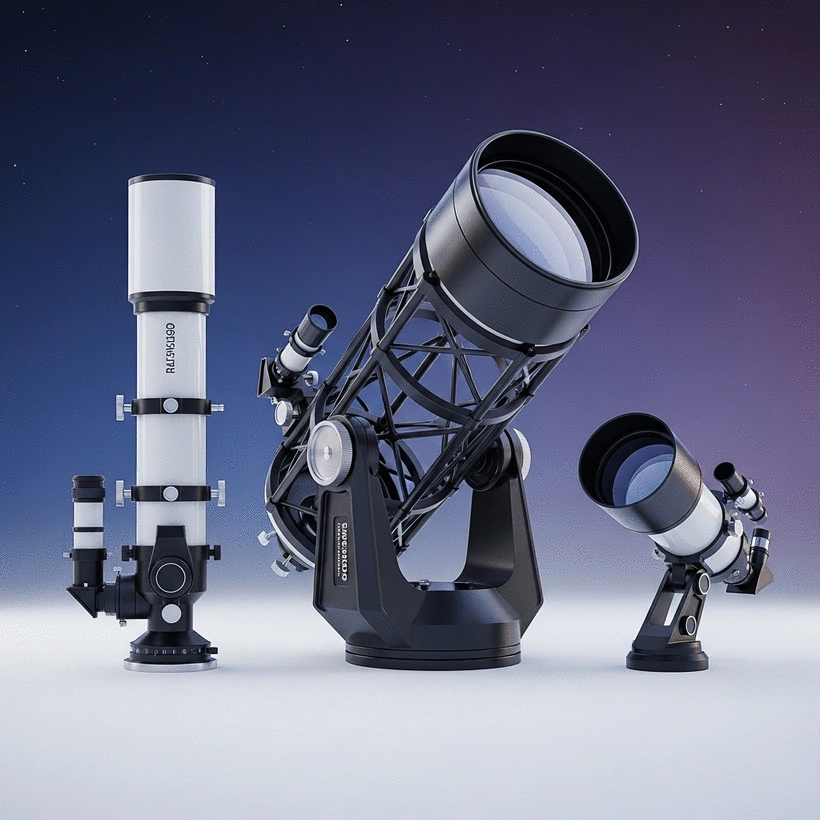
Understanding the distinctions between telescope types is crucial for any astronomy enthusiast. This visual guide highlights the main features, benefits, and best uses for Refractor, Reflector, and Catadioptric telescopes, helping you choose the perfect instrument for your stargazing adventures. For those just starting, exploring beginner telescopes for stargazing can be a great first step.
Telescope Types Overview
Telescope Mount Types
Understanding the Types of Telescopes: A Comprehensive Overview
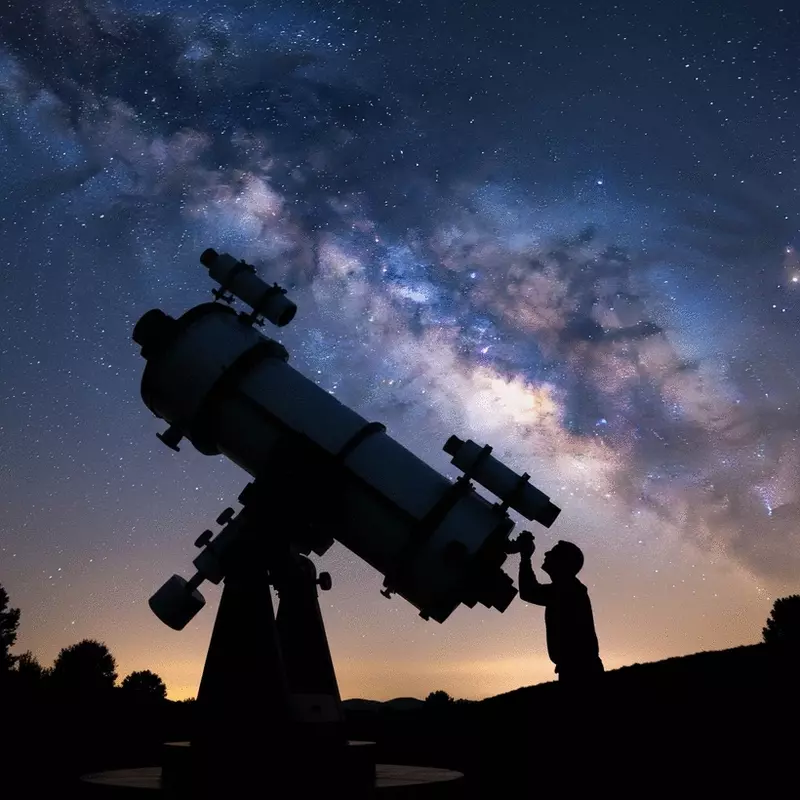
As an astronomy enthusiast at Milroy Observatory, I often get asked about telescopes. They are crucial tools in astronomy, enabling us to explore the vast universe beyond our immediate surroundings. The right telescope can open up a world of wonder, making distant stars and planets accessible for observation. Let's dive into the significance of telescopes and their role in expanding our understanding of the cosmos!

Why do telescopes matter? They allow us to study celestial objects in detail, revealing their composition, behavior, and even the mysteries they hold. Without telescopes, many of the astronomical discoveries we've made would remain hidden in the night sky.
What Are Telescopes and Why Do They Matter?
Telescopes come in various designs and types, each tailored for specific observational needs. Whether you’re a beginner or a seasoned astronomer, understanding these tools is essential for effective stargazing.
- Observation: Telescopes help us observe distant celestial bodies, including stars, planets, and galaxies.
- Research: They are vital in research, allowing astronomers to collect data that leads to new discoveries.
- Education: Telescopes play a key role in educational settings, inspiring the next generation of astronomers.
At Milroy Observatory, we believe that everyone should have the opportunity to explore the night sky, and telescopes are the bridge to that adventure!
Key Considerations When Choosing a Telescope
When it comes to selecting a telescope, several factors should be taken into account to ensure you find the perfect fit for your needs.
- Purpose: Are you looking to observe planets, stars, or deep-sky objects? Knowing your purpose will guide your choice.
- Budget: Determine how much you are willing to spend. There are options available for every budget!
- Experience Level: Beginners may want an easier-to-use model, while experienced astronomers might look for advanced features.
Remember, your telescope is an investment in curiosity! Choose one that aligns with your interests and experience level. For those interested in capturing the night sky, a beginner's guide to astrophotography can provide valuable information.
Exploring Different Mount Types for Telescopes
The mount of a telescope is just as important as the telescope itself. There are different types that can significantly affect how you use your telescope.
- Altazimuth Mount: This mount moves up and down and left and right, making it user-friendly for beginners. It’s simple and great for casual stargazing.
- Equatorial Mount: Designed to align with the Earth's rotation, this mount is ideal for tracking celestial objects. It’s perfect for astrophotography and serious observation.
Choosing the right mount can enhance your viewing experience, making it more enjoyable and efficient. At Milroy Observatory, we often recommend experimenting with both types to see which one you prefer!
Pro Tip
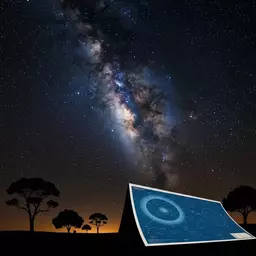
When selecting a telescope, consider investing in a quality star chart or a mobile app that helps identify celestial objects. This can enhance your stargazing experience by guiding you to the most interesting sights in the night sky, making your observations more rewarding!
Final Thoughts on Choosing Your Perfect Telescope
When it comes to selecting the right telescope, understanding the key differences among the various types is crucial. Each telescope—be it refractor, reflector, or catadioptric—offers unique features and benefits tailored to different observational needs. As we've explored, refractors are great for clarity and portability, reflectors excel in deep-sky observations with larger apertures, and catadioptrics provide versatility that suits both planetary and deep-sky viewing. Your personal preference and intended use will guide you in making the best decision!
To recap, here are the main distinctions:
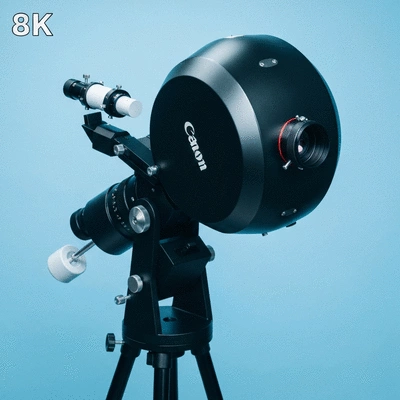
- Refractor Telescopes: Ideal for planetary observations with high-quality optics.
- Reflector Telescopes: Excellent for deep-sky viewing, offering larger apertures at more affordable prices.
- Catadioptric Telescopes: Versatile designs that are compact and suitable for a variety of observing conditions.
As you consider these options, think about what excites you the most about astronomy! Whether it's gazing at the craters of the moon or exploring distant galaxies, there's a telescope out there designed just for you.
Frequently Asked Questions About Telescopes
- What are the three main types of telescopes?
- The three main types are Refractor, Reflector, and Catadioptric telescopes, each using different optical principles to gather light.
- Which type of telescope is best for planetary observation?
- Refractor telescopes are generally considered best for planetary observations due to their excellent clarity and contrast.
- What is the main advantage of a reflector telescope?
- Reflector telescopes offer large apertures at more affordable prices, making them excellent for deep-sky viewing of fainter objects.
- What are catadioptric telescopes known for?
- Catadioptric telescopes are known for their compact design, versatility, and portability, combining mirrors and lenses to suit various observing conditions.
- What is the difference between an Altazimuth and an Equatorial mount?
- An Altazimuth mount moves up/down and left/right, ideal for casual stargazing. An Equatorial mount aligns with Earth's rotation, making it perfect for tracking celestial objects and astrophotography.
Engaging with the Astronomy Community
Join Forums and Online Groups to Expand Your Knowledge
One of the best ways to enhance your astronomy journey is by connecting with others who share your passion! Joining forums and online groups allows you to exchange experiences, ask questions, and gain valuable insights from fellow stargazers. Participating in discussions can deepen your understanding and keep you motivated.
- Look for local astronomy clubs for in-person gatherings.
- Join online platforms like Reddit's r/astronomy or Cloudy Nights.
- Participate in social media groups dedicated to astronomy.
Don't hesitate to share your own discoveries and tips! The astronomy community is welcoming and thrives on shared enthusiasm.
Stay Updated With the Latest Telescope Trends and Innovations
The world of telescopes is always evolving! Staying informed about new trends and innovations will empower you to make informed decisions and discover the latest advancements in astronomy. Subscribing to relevant publications or educational websites can keep you in the loop.
- Sign up for newsletters from reputable astronomy sites.
- Follow tech blogs that cover telescope innovations.
- Attend webinars or online classes to deepen your knowledge.
We at Milroy Observatory are dedicated to sharing these advancements, so be sure to check our blog for updates and insights!
Your Next Steps in the World of Telescopes
Now that you've explored the different types of telescopes and their respective features, it's time to assess your needs. Consider what you enjoy most about stargazing and how often you'll use your telescope. This will greatly influence your purchase decision!
Ask yourself:
- What celestial objects am I most interested in observing?
- How much am I willing to invest in my telescope?
- Am I looking for something portable for travel or a more stationary option?
These questions will guide you towards finding a telescope that fits your lifestyle and enhances your stargazing experience. For more insights into optimal viewing times, you can check out information on stargazing months at Milroy Observatory.
Explore Our Recommended Resources and Guides
To help you on your journey, we've compiled a list of recommended resources and guides for telescope buyers! These links will provide expert advice, comparisons, and reviews to help you make the best choice:
- Telescope Buying Guide - A comprehensive resource for new buyers.
- Expert Advice Section - Tips from seasoned astronomers.
- Helpful Video Resources - Visual guides to help you understand telescope setup and operation.
Remember, exploring the cosmos is not just about the equipment—it's about the journey and the community. We invite you to share your telescope experiences and questions in the comments below!
Understanding Telescope Brands and What They Offer
As you dive into the telescope market, becoming familiar with reputable brands can greatly enhance your selection process. Each brand offers unique models with specific features designed for different levels of experience.
- Celestron: Known for user-friendly options, great for beginners.
- Meade: Offers a range of advanced telescopes for serious astronomers.
- Sky-Watcher: Provides excellent value with robust designs.
Take the time to research and compare models from these brands. By understanding what each manufacturer brings to the table, you'll be better equipped to choose a telescope that matches your aspirations in astronomy!
Recap of Key Points
Here is a quick recap of the important points discussed in the article:
- Understand Telescope Types: Refractor, reflector, and catadioptric telescopes each serve different observational needs.
- Choosing the Right Telescope: Consider your purpose, budget, and experience level; this will help you select the best telescope for your needs.
- Importance of Mount Types: Choose between altazimuth and equatorial mounts based on your intended use and level of expertise.
- Engagement in the Community: Join forums and local clubs to connect with fellow astronomy enthusiasts and expand your knowledge.
- Stay Updated: Follow the latest trends and innovations in telescopes to enhance your stargazing experience.