Southern Night Sky Tonight Guide
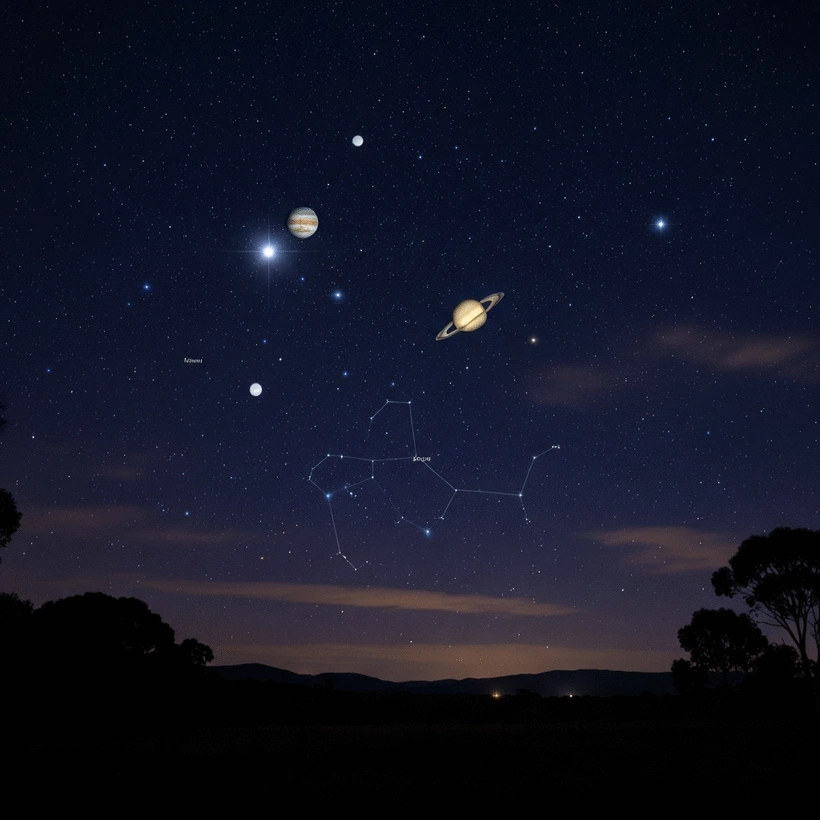
Have you ever looked up at the night sky and wondered what secrets it holds? This January, the cosmos is inviting you to explore its wonders, from dazzling planets to captivating constellations. Grab your telescope and get ready for an unforgettable stargazing adventure!
What You Will Learn
- Jupiter shines brightest at opposition this month, offering a stunning view of its bands and moons.
- Spot Saturn's magnificent rings using a telescope with a minimum 25mm eyepiece for the best experience.
- Learn to locate Uranus and Neptune, the ice giants, with star charts and optimal viewing times in the early evening.
- Identify bright planets like Venus and Mars, known as the Evening and Morning Stars, perfect for beginner stargazers.
- Discover prominent constellations like Orion and Taurus, rich in mythology and perfect for enhancing your stargazing experience.
- Utilize interactive sky maps and apps like Stellarium to track celestial objects in real-time.
- Engage with online astronomy communities and podcasts to deepen your understanding of the cosmos.
- Witness exciting astronomical events such as the Quadrantids meteor shower and a partial lunar eclipse this month.
Celestial Highlights for January
Here's a summary of the key celestial objects and events visible in the Southern Hemisphere during January, offering opportunities for both beginners and experienced stargazers. To make the most of these opportunities, consider learning more about stargazing months at Milroy Observatory.
Planets Visible Tonight
Jupiter at Opposition
Brightest and easiest to spot. Visible with small telescopes.
Saturn's Rings
Requires a telescope (25mm eyepiece) to see rings clearly.
Uranus & Neptune
Ice giants, visible with tools and star charts (bluish hue).
Venus & Mars
Venus (evening star), Mars (morning, reddish dot).
Key Constellations
Orion the Hunter
Most recognizable, with Betelgeuse & Rigel.
Taurus & Pleiades
Pleiades star cluster (Seven Sisters) next to Orion.
Gemini (Castor & Pollux)
Twin stars visible in the southern sky.
Scorpius & Sagittarius
Good for Milky Way core, Southern Cross.
Stargazing Tools & Events
Interactive Sky Maps
Stellarium, SkySafari, SkyView for real-time tracking.
Meteor Showers
Quadrantids (early Jan), up to 120 meteors/hr.
Lunar Eclipse
Partial Lunar Eclipse visible later this month.
Deep Sky Objects (Southern)
Omega Centauri (globular cluster), The Jewel Box (open cluster).
Current Celestial Highlights in the Southern Night Sky
As we step into the magical world of astronomy, January offers a spectacular array of celestial events and objects waiting for your gaze! Whether you are a seasoned astronomer or a curious newcomer, the southern night sky is brimming with wonders. Let's take a look at what you can expect to see tonight!
What Planets Are Visible Tonight?
Tonight, some of our solar system's most fascinating planets will take center stage. Grab your binoculars or telescope, and let’s dive into which planets you can spot!
- Jupiter: Observing the Giant Planet at Opposition
- Saturn: Tips for Spotting Its Rings and Moons
- Uranus and Neptune: How to Locate the Ice Giants
- Venus and Mars: Identifying the Bright Evening and Morning Stars
Each of these planets has its own unique features and best viewing times. I encourage you to take note of their positions throughout the month, as they can change rapidly!
Jupiter: Observing the Giant Planet at Opposition
Jupiter is at its most visible right now, as it reaches opposition this month! This means it’s directly opposite the Sun in the sky, making it brighter and easier to spot than usual. Look for its distinctive banding and the four largest moons—Io, Europa, Ganymede, and Callisto—that you can see even with a small telescope.
Saturn: Tips for Spotting Its Rings and Moons
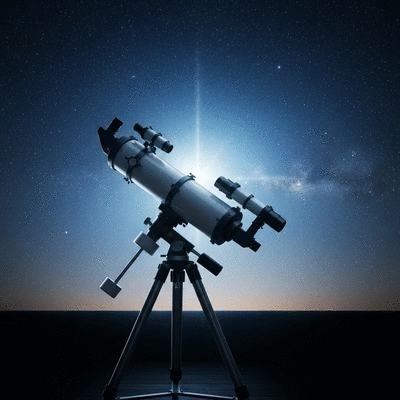
Don’t forget to turn your gaze toward Saturn! This majestic planet is known for its stunning rings. To spot its famous rings, use a telescope with at least a 25mm eyepiece. You'll be amazed how it transforms your perception of our solar system!
Uranus and Neptune: How to Locate the Ice Giants
While they might not shine as brightly as their gas giant counterparts, Uranus and Neptune are still visible with the right tools. Uranus appears with a bluish hue, while Neptune has a deeper blue color. A star chart can help you find their locations; they’re typically best viewed in the earlier evening hours.
Venus and Mars: Identifying the Bright Evening and Morning Stars
Finally, let’s not forget about Venus and Mars. Venus, often called the Evening Star, shines brilliantly just after sunset, while Mars can be spotted as a bright reddish dot in the early morning. These two planets are fantastic for beginners as their brightness makes them easy to identify!
Key Constellations to Identify in January
Alongside the planets, January’s night sky features several prominent constellations that offer a wealth of stories and celestial beauty. Learning to identify these constellations can enhance your stargazing experience! If you're just starting, consider exploring beginner telescopes for stargazing in Australia to get a closer look.
- Orion: The Hunter and Its Notable Stars
- Taurus and the Pleiades: Recognizing These Bright Clusters
- Gemini: Spotting Castor and Pollux in the Southern Sky
- Scorpius and Sagittarius: Exploring the Southern Cross and More
Finding these constellations can turn your night into an adventure. They tell stories of mythology and guide us through the depths of space!
Orion: The Hunter and Its Notable Stars
Orion is perhaps the most recognizable constellation in the night sky, marked by its three stars that form what looks like a belt. Look for Orion's bright stars, Betelgeuse and Rigel, which are spectacular indicators of winter stargazing.
Taurus and the Pleiades: Recognizing These Bright Clusters
Right next to Orion lies Taurus, which contains the Pleiades star cluster—the seven sisters! This beautiful cluster is a must-see, especially through binoculars or a telescope.
Gemini: Spotting Castor and Pollux in the Southern Sky
Gemini, home to the twin stars Castor and Pollux, can also be found in the southern sky. It’s a fantastic way to explore the myths that connect these stars to the story of twin brothers!
Scorpius and Sagittarius: Exploring the Southern Cross and More
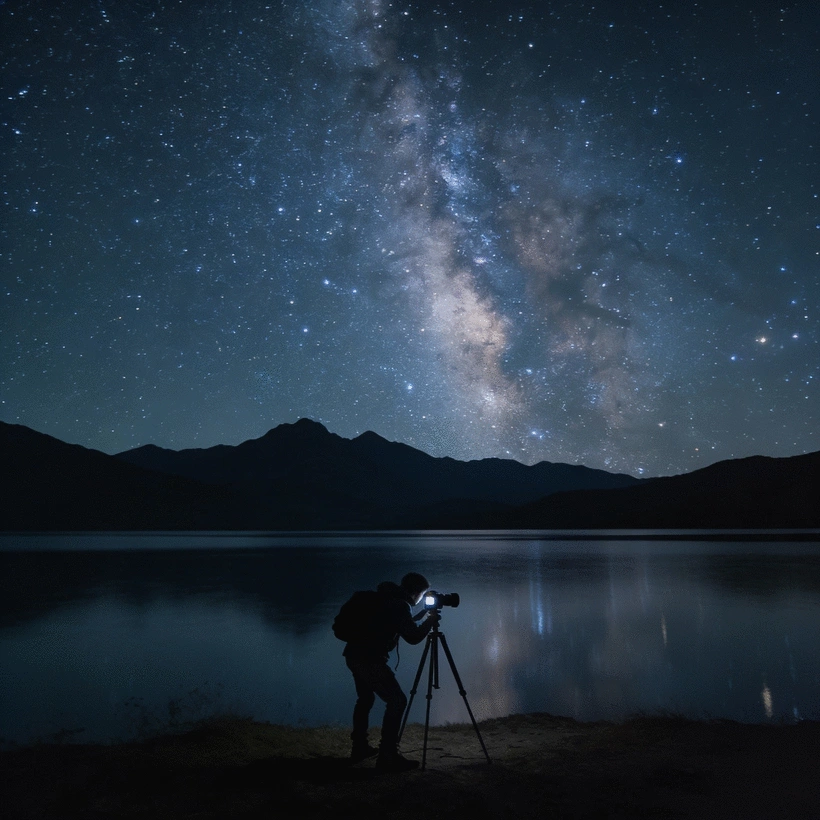
Last but not least, Scorpius, with its iconic shape resembling a scorpion, and Sagittarius, home to the Southern Cross, are excellent for finding the Milky Way’s core. They provide brilliant opportunities for photography and exploration!
As we embark on this stargazing journey, I invite you to share your experiences or ask questions in the comments below. Whether you're trying to spot your first planet or identify a constellation, your adventures in the night sky are valuable to our Milroy Observatory community. Let’s keep igniting our curiosity about the cosmos together!
Did You Know?
As you embark on your stargazing adventures, consider this fascinating statistic: the Milky Way galaxy is home to an estimated 100 to 400 billion stars! Each star has the potential to host its own planetary system, expanding the universe of possibilities for exploration.
Frequently Asked Questions About January Stargazing
- Q: Which planets are most visible in January?
- A: Jupiter is at its brightest this month due to opposition. Saturn's rings are visible with a good telescope. Venus shines as the "Evening Star," and Mars appears as a reddish "Morning Star." Uranus and Neptune can also be spotted with star charts and tools.
- Q: What equipment do I need to see Saturn's rings?
- A: To clearly see Saturn's rings, you will need a telescope with at least a 25mm eyepiece.
- Q: What are the key constellations to look for in January?
- A: Prominent constellations include Orion (with Betelgeuse and Rigel), Taurus (next to Orion, featuring the Pleiades star cluster), Gemini (with twin stars Castor and Pollux), and Scorpius and Sagittarius (great for viewing the Milky Way's core and the Southern Cross).
- Q: Are there any meteor showers or eclipses this month?
- A: Yes, the Quadrantids meteor shower peaks in early January, potentially offering up to 120 meteors per hour. There will also be a partial lunar eclipse later in the month.
- Q: What tools can help me with stargazing?
- A: Interactive sky maps and apps like Stellarium, SkySafari, and SkyView are excellent for real-time tracking of celestial objects. Astronomy podcasts and online communities (e.g., StarTalk Radio, The Planetary Society, Cloudy Nights) can also enhance your learning and engagement.
Engaging with the Night Sky: Tools and Resources
As we continue our journey through the cosmos, having the right tools and resources can make all the difference in enhancing your stargazing experience. At Milroy Observatory, we believe that with a little help, anyone can unlock the mysteries of the night sky! Whether you’re a seasoned astronomer or just starting out, these resources will elevate your stargazing adventures.
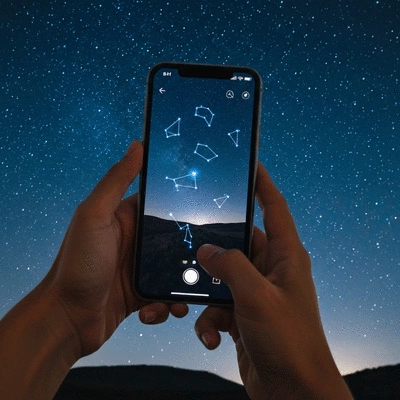
From interactive sky maps to useful apps, there’s a wealth of options available that will allow you to engage with the stars like never before. Let’s explore some of these exciting tools!
Interactive Sky Maps and Apps for Stargazing
Interactive sky maps are a fantastic way to familiarize yourself with the night sky. One of my personal favorites is Stellarium, a free planetarium software that provides real-time tracking of celestial objects. It’s incredibly user-friendly and offers detailed visuals that help you identify stars, planets, and constellations effortlessly!
- Stellarium: Provides real-time star tracking and is available on multiple platforms.
- SkySafari: A powerful app that offers detailed star charts and educational content.
- SkyView: An easy-to-use app that lets you point your phone at the sky to identify constellations and planets.
Utilizing these apps can dramatically enhance your ability to connect with the cosmos. They make identifying celestial bodies exciting and interactive, especially when you're out under the stars!
Utilizing Stellarium for Real-Time Star Tracking
One of the standout features of Stellarium is its realism. You can simulate the night sky from any location on Earth. Simply input your coordinates, and you’ll see a stunning view of the stars as they would appear overhead. The software also includes information on upcoming celestial events, which keeps your stargazing calendar full!
Mobile Apps to Enhance Your Stargazing Experience
In addition to Stellarium, several mobile apps can enhance your stargazing experience:
- Star Walk 2: This app provides an augmented reality experience, allowing you to see a live view of the sky with labeled stars and constellations.
- SkyMap: A simple and efficient app that can help you find planets and constellations by moving your device towards the sky.
- Heavens Above: Great for tracking satellites and finding when the International Space Station will be visible.
These tools are designed to make stargazing accessible and fun for everyone! You’ll find yourself exploring the sky more confidently.
Using Astronomy Podcasts and Online Communities for Learning
There’s so much to learn in the field of astronomy, and one way to stay engaged is through podcasts and online communities. Listening to experts discuss topics can deepen your understanding and spark new interests.
- StarTalk Radio: A blend of science, pop culture, and humor, hosted by astrophysicist Neil deGrasse Tyson.
- The Planetary Society: Offers various podcasts that delve into space exploration and astronomical discoveries.
- Online Astronomy Forums: Websites like Cloudy Nights and the Astronomy subreddit are excellent for connecting with fellow stargazers.
Engaging with others who share your passion will only enhance your stargazing journey. Don’t hesitate to dive into discussions and ask questions!
Deep Sky Objects and Astronomical Events to Watch For
The beauty of stargazing lies not just in the stars, but also in the spectacular events and deep sky objects we can observe. This month offers some exciting opportunities for both novice and seasoned astronomers alike!
Highlighting Meteor Showers and Eclipses Visible This Month
Keep an eye on the sky for some dazzling meteor showers and eclipses! Here’s a quick rundown of what to look for:
- Quadrantids Meteor Shower: Peaks in early January, offering up to 120 meteors per hour under optimal conditions.
- Partial Lunar Eclipse: Look for this breathtaking event later this month; don’t forget your viewing tools!
Mark your calendars and prepare for a night of spectacular views. These celestial events are a great reason to gather friends and family for an evening of stargazing!
Exploring Star Clusters and the Milky Way in the Southern Hemisphere
In the Southern Hemisphere, we are treated to stunning views of the Milky Way and various star clusters. Here are two highlights:
- Omega Centauri: The largest globular cluster visible from Earth, located in the constellation Centaurus.
- The Jewel Box: A colorful open cluster in Crux, perfect for observing with binoculars or a telescope.
These are just a few examples of the natural wonders awaiting you in the southern night sky. Grab your telescope, and let’s dive into these beautiful sights together! For those eager to capture these stunning celestial phenomena, a beginner's guide to astrophotography can help you get started.
Recap of Key Points
Here is a quick recap of the important points discussed in the article:
- Planets Visible Tonight: Look for Jupiter, Saturn, Uranus, Neptune, Venus, and Mars, each with unique features to observe.
- Key Constellations: Identify Orion, Taurus, Gemini, Scorpius, and Sagittarius for an enriched stargazing experience.
- Stargazing Tools: Utilize apps like Stellarium and SkySafari to enhance your observations and discover celestial events.
- Deep Sky Objects: Watch for meteor showers and explore star clusters like Omega Centauri and The Jewel Box.