Australia's Top Stargazing Observatories
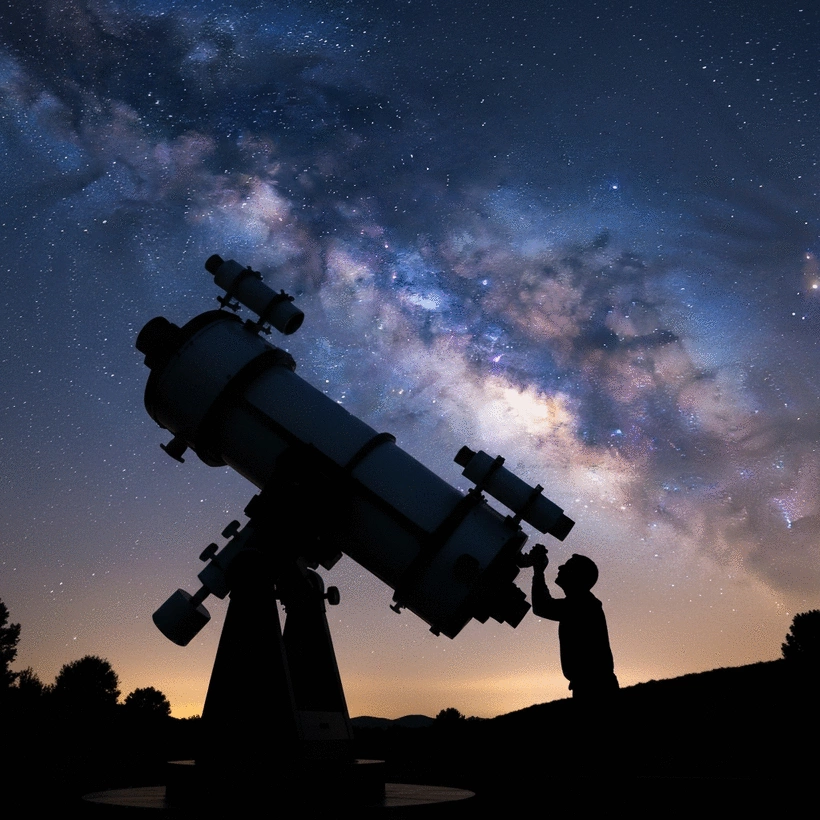
Ever wondered about the vast wonders of the universe and how to experience them? Australia's observatories offer a magical gateway to the night sky, blending education, community, and awe-inspiring celestial views. Here’s what you can discover about these stargazing gems!
What You Will Learn
- Australian observatories provide educational programs and workshops to engage visitors of all ages in astronomy.
- They foster a sense of community through events that connect stargazers from diverse backgrounds.
- Public access to observatories includes guided tours and telescope viewing sessions for hands-on experience.
- Planning your visit involves checking operating hours and special events to enhance your stargazing adventure.
- Astrophotography opportunities abound, with workshops available to help you capture the night sky's beauty.
Understanding the Appeal & Accessibility of Australian Observatories
Australian observatories serve as crucial hubs for education, community engagement, and public access to astronomy. Explore the key aspects that make them so appealing and accessible. For a more in-depth look at their operations, read our understanding how observatories operate guide.
Appeal of Australian Observatories
- ★Educational Opportunities: Workshops, talks for all ages.
- ★Community Engagement: Events fostering a sense of community.
- ★Accessibility: Public tours, family-friendly events.
Public Access Information
- ★Operating Hours: Check websites for seasonal variations.
- ★Tours & Programs: Guided tours with telescope viewing.
- ★Telescope Availability: Some offer public access for direct viewing.
Unveiling the Best Observatories in Australia for Stargazing Enthusiasts
As an avid stargazer and founder of Milroy Observatory, I can tell you that Australia's night sky is a canvas of wonder! Our country is home to some of the best observatories in the world, each offering unique experiences that captivate both enthusiasts and newcomers alike. The significance of these observatories goes beyond just telescopes; they serve as gateways to the universe, providing insights into celestial phenomena and connecting people to the cosmos.
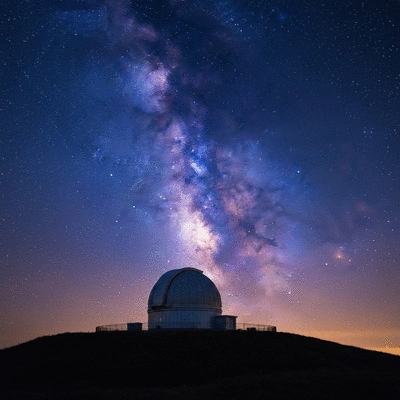
From the rich history of Sydney Observatory to the modern marvels at Siding Spring, Australian observatories are popular destinations for stargazing enthusiasts. Why are they so beloved? It's simple: they make the wonders of the universe accessible, providing education and excitement under the vast, starry skies.
Understanding the Appeal of Australian Observatories
Australian observatories hold a special place in the hearts of many astronomy fans. They are not just places to look through a telescope; they are centers for learning, discovery, and community engagement. The blend of stunning locations, educational programs, and the opportunity to witness astronomical events makes them a must-visit for anyone interested in the night sky.
- Educational Opportunities: Many observatories offer workshops, talks, and programs that cater to all ages, making learning about astronomy engaging and fun!
- Community Engagement: They often host events that bring together stargazers from all walks of life, fostering a sense of community among astronomy enthusiasts.
- Accessibility: With public tours and family-friendly events, observatories invite everyone to explore the wonders of the cosmos.
These attractions allow visitors to connect with the universe in a tangible way, igniting a passion for astronomy that can last a lifetime. Whether you’re a curious family or an aspiring astronomer, there’s something for everyone! To learn more about selecting the right equipment, consider our guide on beginner telescopes for stargazing in Australia.
Public Access to Australian Observatories: What You Need to Know
Public access is crucial for making astronomy available to everyone. At Milroy Observatory, we believe that anyone should be able to experience the magic of stargazing. Most observatories in Australia have specific visitor hours and offer guided tours, which are perfect for learning about the tools and techniques used in modern astronomy.
- Operating Hours: Check the observatory's website for hours, as they can vary throughout the year.
- Tours and Programs: Many observatories offer guided tours that often include telescope viewing sessions, providing a unique opportunity to see celestial bodies up close.
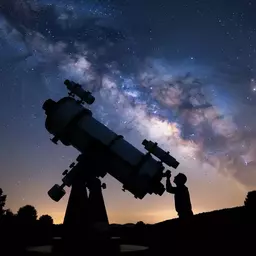
- Telescope Availability: Some observatories have public telescopes available for visitor use, allowing you to experience stargazing firsthand!
Understanding these details can help ensure you maximize your visit to these incredible places. So, before you head out, do a little research to find the perfect observatory that fits your interests and schedule!
We Want to Hear From You!
What has been your most memorable stargazing experience? Share your thoughts below:
Frequently Asked Questions About Australian Observatories
What types of educational opportunities do Australian observatories offer?
Australian observatories often provide a range of educational programs, including workshops, talks, and guided sessions tailored for all ages, making astronomy engaging and accessible to everyone.
How do observatories foster community engagement?
Observatories host various events that bring together stargazers from diverse backgrounds, fostering a strong sense of community among astronomy enthusiasts through shared experiences and learning.
Is public access available at most Australian observatories?
Yes, most Australian observatories offer public access, including guided tours and telescope viewing sessions, allowing visitors to experience celestial bodies up close and learn about modern astronomy tools.
What should I consider when planning a visit to an observatory?
When planning your visit, it's advisable to check the observatory's website for operating hours, which can vary seasonally, and to look for special events or guided tours to enhance your stargazing adventure.
Are there opportunities for astrophotography at these observatories?
Absolutely! Many observatories are located in dark sky areas, providing excellent opportunities for astrophotography. They often offer workshops or guidance on capturing stunning images of the night sky.
Summarizing the Journey Through Australia’s Stargazing Gems
As we wrap up our exploration of Australia's premier observatories, it’s clear that each location offers its own unique charm and opportunities for stargazing enthusiasts. From the historic Sydney Observatory to the cutting-edge Siding Spring Observatory, visitors can immerse themselves in breathtaking views of the cosmos. The serene backdrop of Parkes Observatory and the dark sky experiences at Gingin Observatory further enhance the magic of the night sky. Each site is a treasure trove of knowledge and adventure, waiting for you to discover!
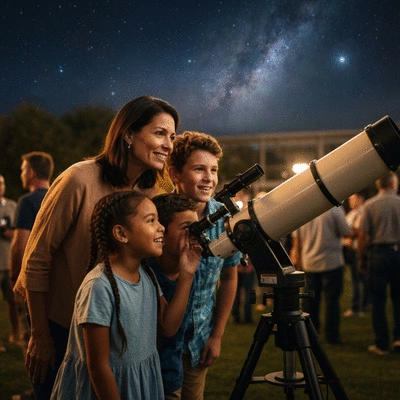
Whether you’re captivated by the cultural impact of Parkes or the modern marvels of Mt Stromlo, every observatory has something special to offer. I encourage you to explore these celestial gems and find the one that resonates most with your stargazing dreams!
Engaging with the Stargazing Community
Have you had a memorable experience at one of these observatories? Sharing your stories not only adds to our collective knowledge but also inspires fellow stargazers. Connect with others through local astronomy clubs or online forums, where you can exchange tips, photos, and advice. Here are a few ways to engage with the stargazing community:
- Join local astronomy clubs to meet fellow enthusiasts.
- Participate in online forums dedicated to stargazing.
- Share your observations and photographs on social media platforms.
- Attend stargazing events and workshops to learn from experts.
By connecting with others, you can deepen your appreciation for astronomy and foster lasting friendships based on shared passion!
Planning Your Next Stargazing Adventure
Ready for your next astronomical escapade? Visiting these highlighted observatories is a wonderful way to explore Australia's rich astronomical heritage. Each observatory offers unique experiences tailored for enthusiasts of all ages. Here are some tips to help you plan your adventure:
- Check the observatories' websites for visitor hours and special events.
- Consider booking guided tours to enhance your experience.
- Be aware of seasonal astronomical events to maximize your visit.
- Don’t forget to bring your own telescope or binoculars for personal exploration!
Every visit to an observatory is an opportunity to learn something new and marvel at the wonders above us—so grab your gear and start planning!
Exploring Astronomy Photography Opportunities
If capturing the beauty of the night sky excites you, there are incredible opportunities for astrophotography at these observatories. Here are some tips to get you started:
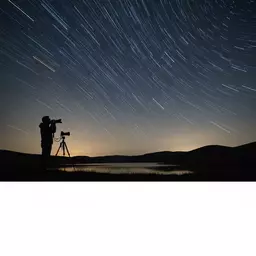
- Use a sturdy tripod to keep your camera stable during long exposures.
- Experiment with different exposure settings to capture various celestial phenomena.
- Seek out dark sky locations near observatories for minimal light pollution.
- Join astrophotography workshops or groups to learn from experienced photographers.
With a little practice and patience, you'll be able to capture stunning images of the stars, planets, and even meteor showers. Don’t forget to share your masterpieces with the community—your work might inspire someone else to look up at the stars! For more in-depth guidance, check out our beginner's guide to astrophotography.
Recap of Key Points
Here is a quick recap of the important points discussed in the article:
- Educational Opportunities: Many observatories provide engaging programs, workshops, and talks for all ages.
- Community Engagement: Events at observatories foster a sense of community among stargazers.
- Public Access: Most observatories offer guided tours and public telescope viewing sessions.
- Planning Your Visit: Check websites for hours and events, and consider guided tours to enhance your experience.
- Astrophotography Tips: Use a sturdy tripod and explore dark sky locations for capturing stunning images of the night sky.