Astrophotography Gear for Australia
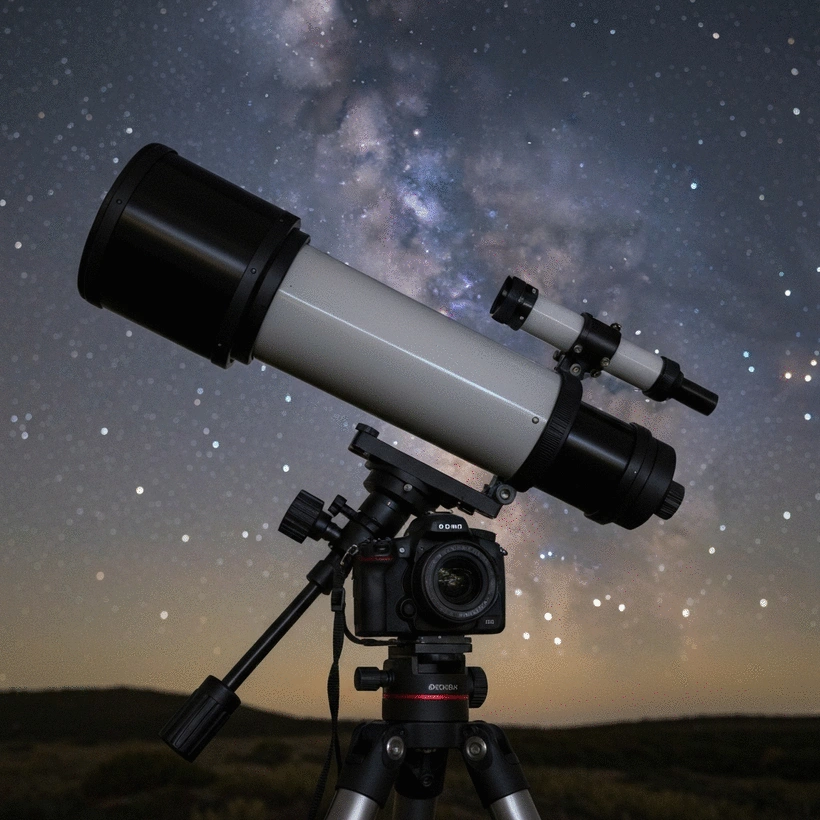
Astrophotography is not just about capturing stunning images; it's also about immersing yourself in the beauty of the universe and engaging with a community of like-minded enthusiasts. As you embark on this cosmic journey, you'll discover how the right equipment and knowledge can transform your experience.
What You Will Learn
- The unique opportunities Australia offers for capturing celestial events in the Southern Hemisphere.
- Essential equipment for beginners, including types of cameras, telescopes, and mounts.
- Valuable resources and communities available for continuous learning and support in astrophotography.
- Key software options for image processing that can enhance the quality of your photographs.
- Maintenance tips to ensure your astrophotography equipment remains in optimal condition.
- Important factors to consider when purchasing new gear based on your skill level and budget.
Essential Astrophotography Equipment & Software
To capture the wonders of the cosmos, having the right tools and knowing how to use them is crucial. This visual outlines the key equipment categories and popular software frequently used by astrophotographers, ensuring you're well-equipped for your celestial journey. For those just starting, learning about a beginner's guide to astrophotography can provide a solid foundation.
Key Equipment Categories
- Cameras: DSLRs, Mirrorless, Dedicated Astro
- Telescopes: Refractor, Reflector, Compound
- Mounts: Equatorial (tracking), Alt-azimuth
- Tripods: Essential for stability, long exposures
Popular Software Choices
- PixInsight: Powerful, deep-sky specific
- Adobe Lightroom: General photo editing, color
- DeepSkyStacker: Stacking multiple exposures
- GIMP: Free alternative with extensive editing
Community & Learning
- Explore forums & social media groups
- Attend local workshops & webinars
- Join clubs & societies
- Share tips & experiences
Maintenance Tips
- Regularly clean lenses & sensors
- Store in dry, cool place
- Check for software updates
- Use protective cases/covers
Understanding Astrophotography and its Equipment
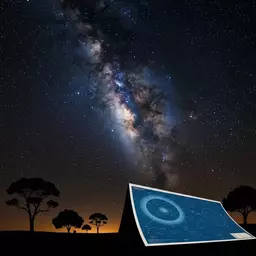
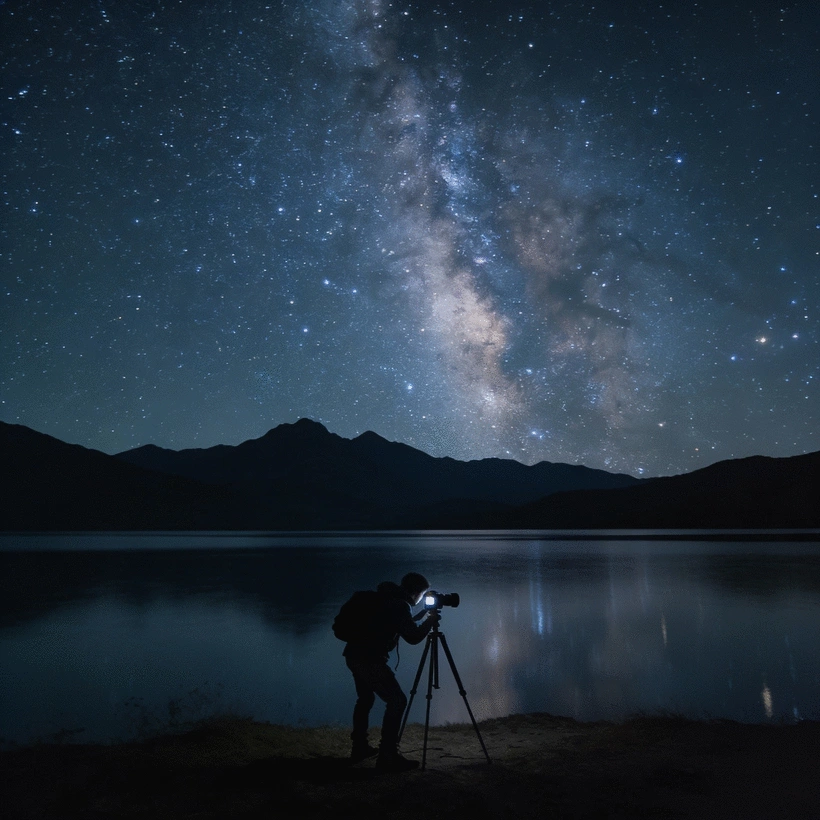
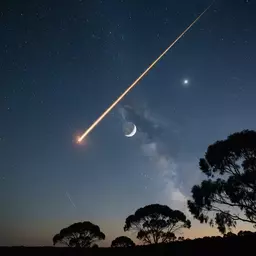
Astrophotography is a captivating blend of art and science that allows us to capture the beauty of the cosmos. This fascinating practice has gained popularity in Australia, where our clear night skies present incredible opportunities for stargazers and photographers alike. With the right tools, anyone can embark on a journey to capture stunning images of celestial wonders, from the moon's craters to distant galaxies!
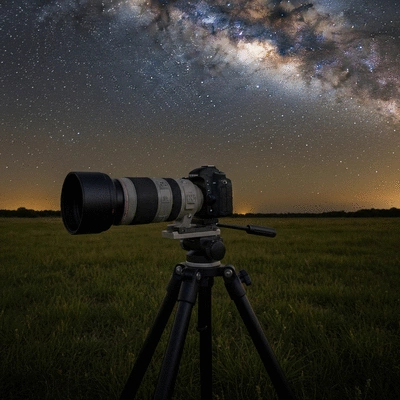
Why does astrophotography matter in Australia? Well, our unique geographical location allows us to observe celestial events that may not be visible elsewhere. Whether you are interested in photographing the vibrant colors of the Milky Way or the intricate details of nebulae, astrophotography opens up a whole new world of exploration and discovery.
What is Astrophotography and Why It Matters in Australia?
At its core, astrophotography involves capturing images of astronomical objects and phenomena using specialized equipment. This practice not only enhances our understanding of the universe but also fosters a deeper appreciation for the night sky. In Australia, the combination of minimal light pollution and stunning landscapes creates an ideal setting for aspiring astrophotographers. To truly appreciate the celestial wonders, it's also helpful to understand the best stargazing months at Milroy Observatory.
- Opportunity to capture the Southern Hemisphere's unique celestial events.
- Access to stunning landscapes that serve as beautiful backdrops.
- Engaging with a community of fellow astronomy enthusiasts.
As you begin your journey in astrophotography, you’ll discover that it’s not just about the equipment; it’s about the experiences and stories behind each photograph. At Milroy Observatory, we recognize the importance of sharing these stories and providing resources to help you along the way.
Key Equipment for Getting Started: Cameras and Telescopes
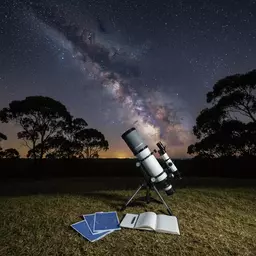
When it comes to astrophotography, having the right equipment is essential. Depending on your interests, you might want to invest in a quality camera, a good telescope, or both! Let’s take a closer look at some of the key pieces of equipment you’ll need to get started.
- Cameras: DSLRs, mirrorless cameras, and dedicated astrophotography cameras
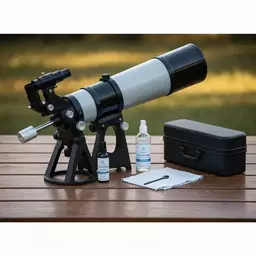
- Telescopes: Refractor, reflector, and compound telescopes
- Mounts: Equatorial mounts versus alt-azimuth mounts for tracking celestial objects
- Tripods: A sturdy tripod is crucial for stability, especially during long exposures
At Milroy Observatory, we emphasize the importance of choosing equipment that matches your skill level and interests. This ensures that you have a fulfilling and enjoyable experience in capturing the universe through your lens!
Engage with Your Astrophotography Journey!
As you delve deeper into astrophotography, consider this: What celestial object or event are you most excited to capture? Is it the breathtaking detail of a nebula or the mesmerizing rings of Saturn? Share your thoughts with us below!
Ongoing Support and Learning for Aspiring Astrophotographers
As you embark on your journey into astrophotography, having a strong support system and access to learning resources can make all the difference! At Milroy Observatory, we believe that continuous learning is key to mastering this fascinating art form. Whether you’re a beginner or looking to refine your skills, there are numerous resources available to you right here in Australia.
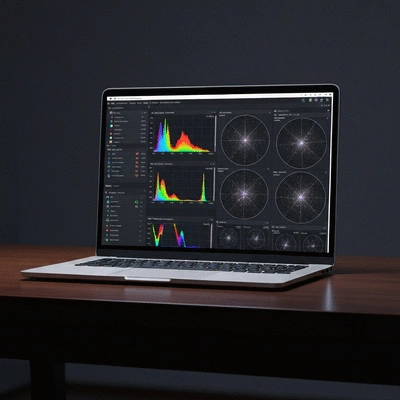
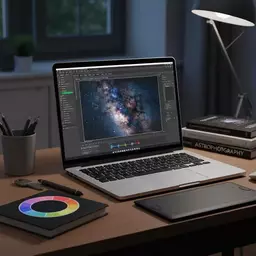
One of the first steps in enhancing your astrophotography is to understand the software you'll be using. Various programs help in processing your images, and knowing which ones work best with your camera can save you time and frustration. Additionally, connecting with local communities can provide invaluable insights into software compatibility and usage.
- Explore forums and social media groups specific to Australian astrophotographers.
- Attend local workshops or webinars focused on astrophotography techniques and software.
- Join clubs or societies that offer a platform for sharing tips and experiences.
Engaging with others not only aids in learning but also fosters a sense of belonging in this expansive universe of astronomy. Sharing your challenges and successes with fellow enthusiasts can be both motivating and informative!
Popular Software for Astrophotography: PixInsight, Lightroom, and More
When it comes to software, several options stand out for astrophotographers. Here are some popular choices that many in the community recommend:
- PixInsight: A powerful software designed specifically for astrophotographers, perfect for deep-sky imaging.
- Adobe Lightroom: Great for general photo editing and enhancing color balance.
- DeepSkyStacker: Ideal for stacking multiple exposures to enhance image quality.
- GIMP: A free alternative to Photoshop that offers extensive editing capabilities.
These tools can significantly improve the quality of your astrophotography. Remember, it might take some time to get familiar with all the features, but practice makes perfect!
Maintenance Tips and Long-term Usage Considerations
Just as you would care for any essential equipment, your astrophotography gear requires regular maintenance. Here are some tips to ensure your equipment stays in top condition:
- Regularly clean your lenses and sensors to avoid dust and smudges.
- Store your camera and telescope in a dry, cool place when not in use.
- Check for software updates to keep your programs running smoothly.
- Consider investing in protective cases or covers for outdoor use.
By maintaining your equipment, you not only prolong its lifespan but also enhance your overall astrophotography experience. At Milroy Observatory, we often emphasize that a well-cared-for telescope can make a world of difference in your night-sky pursuits!
Making an Informed Decision About Your Equipment
Summary of Key Considerations for Purchasing
As you start thinking about upgrading or purchasing new gear, consider these key factors:
- Your personal skill level and goals in astrophotography.
- Your budget and the value of investing in quality equipment.
- Recommendations from other photographers and community members.
- Compatibility between your camera and telescope.
Taking the time to reflect on these aspects will help guide your decisions and ensure you choose the right equipment for your needs!
Encouragement to Engage with Local Astrophotography Communities
Lastly, I strongly encourage you to connect with local astrophotography communities. Whether it’s through social media, local clubs, or events hosted by Milroy Observatory, engagement is vital. Not only will you learn from others, but you’ll also find inspiration and support for your own astrophotography journey. For beginners looking to purchase their first equipment, exploring beginner telescopes for stargazing in Australia can be a great starting point.
Remember, every great astrophotographer started where you are now—with curiosity and a desire to explore the cosmos. So, reach out, share your experiences, and keep that passion for the night sky alive!
Frequently Asked Questions About Astrophotography
- What is astrophotography?
- Astrophotography is the art and science of capturing images of astronomical objects and celestial phenomena using specialized equipment such as cameras and telescopes.
- Why is Australia a good place for astrophotography?
- Australia offers unique opportunities for astrophotography due to its clear night skies, minimal light pollution, stunning landscapes, and the ability to observe Southern Hemisphere celestial events.
- What essential equipment do I need to start astrophotography?
- Essential equipment includes a quality camera (DSLR, mirrorless, or dedicated astro camera), a telescope (refractor, reflector, or compound), a sturdy mount (equatorial for tracking), and a robust tripod for stability.
- What software is recommended for astrophotography image processing?
- Popular software options include PixInsight (for deep-sky imaging), Adobe Lightroom (for general editing and color balance), DeepSkyStacker (for stacking multiple exposures), and GIMP (a free alternative with extensive editing capabilities).
- How do I maintain my astrophotography equipment?
- Maintenance tips include regularly cleaning lenses and sensors, storing equipment in a dry, cool place, checking for software updates, and using protective cases or covers.
- How important is community engagement in astrophotography?
- Engaging with local astrophotography communities, forums, workshops, and clubs is vital for learning, sharing experiences, gaining support, and finding inspiration.
Recap of Key Points
Here is a quick recap of the important points discussed in the article:
- Astrophotography combines art and science to capture the beauty of the cosmos, especially in Australia’s clear night skies.
- Essential equipment includes quality cameras, telescopes, mounts, and tripods tailored to your skill level and interests.
- Engagement with local communities and resources enhances learning and offers support for aspiring astrophotographers.
- Popular software options like PixInsight and Lightroom are crucial for processing and enhancing astrophotography images.
- Regular maintenance of equipment is essential for longevity and performance, ensuring successful astrophotography experiences.
- Consider personal skill levels and budget when making informed decisions about purchasing new gear.