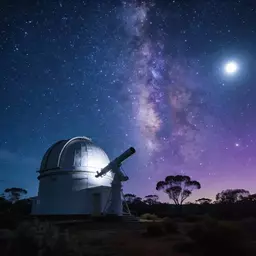
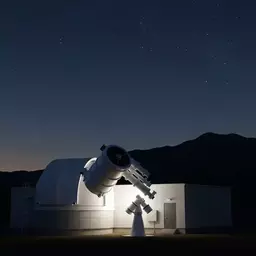
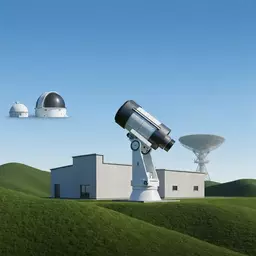
Selecting a Telescope for Astrophotography
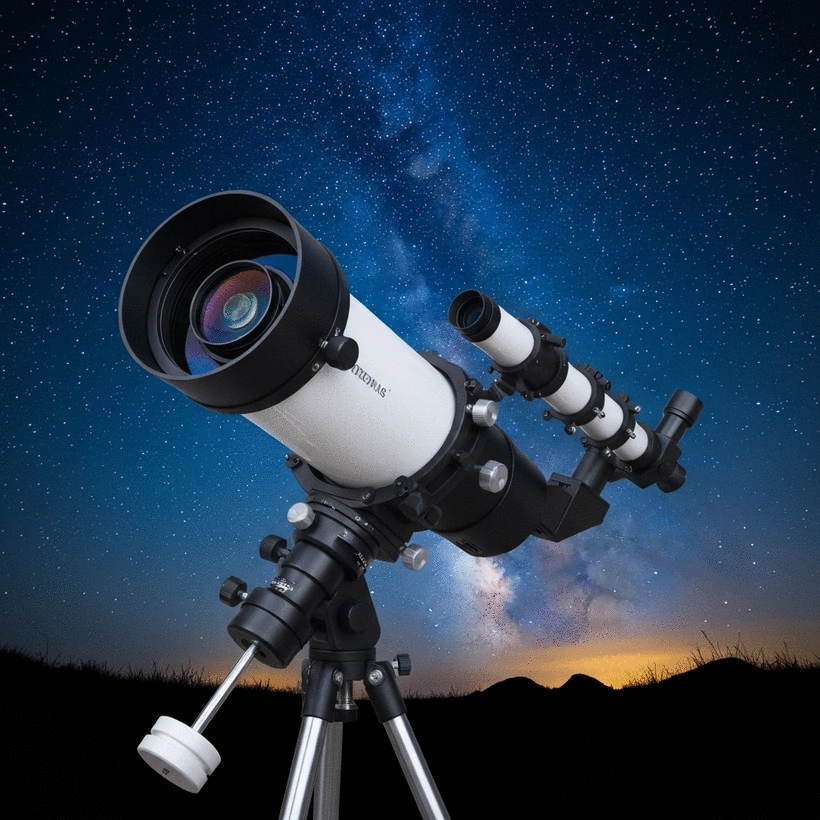
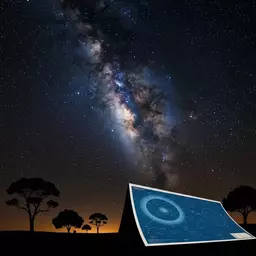
Did you know that the right telescope can transform your simple stargazing into an awe-inspiring journey through the cosmos? Understanding the fundamentals of astrophotography is not just about capturing images but about experiencing the universe in a profound way. Here’s what you will learn about selecting the perfect telescope for your astrophotography adventures.
What You Will Learn
- The importance of choosing the right telescope to capture stunning details of celestial bodies.
- Key factors to consider when selecting a telescope, including aperture, focal length, and mount type.
- The differences between equatorial and altazimuth mounts and how they impact astrophotography.
- Resources and interactive tools that can help refine your telescope choice for optimal astrophotography success.
Telescope Selection: Key Factors and Mount Types
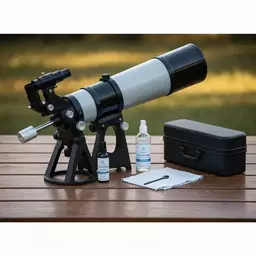
Understanding the core elements of a telescope and its mounting mechanism is crucial for successful astrophotography. For those just starting, exploring beginner telescopes for stargazing can provide a solid foundation before diving deeper into astrophotography-specific equipment.
Key Factors for Telescope Selection
- •Aperture:Gathers light; affects detail & brightness.
- •Focal Length:Influences magnification & field of view.
- •Mount Type:Crucial for stability, especially for long exposures.
Mounting Types Comparison
Equatorial Mounts
Aligns with Earth's axis, tracks celestial objects smoothly, ideal for astrophotography & long exposures.
Altazimuth Mounts
Simpler, easier for beginners, moves horizontally & vertically, user-friendly for visual observing.
Understanding Astrophotography: The Basics of Choosing a Telescope
Astrophotography is more than just snapping pictures of the stars; it’s about capturing the beauty of the universe in a way that can inspire wonder and curiosity. At Milroy Observatory, we believe that having the right telescope is crucial for achieving stunning images of celestial objects. Whether you’re a beginner or a seasoned astrophotographer, understanding what to look for in a telescope can significantly enhance your experience.
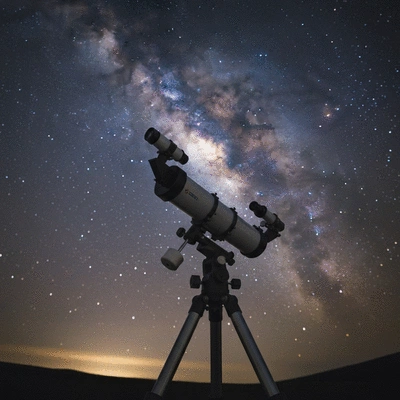
So, why is the choice of telescope so important? Well, the telescope serves as your window to the universe, amplifying your ability to capture details, colors, and textures that are otherwise invisible to the naked eye. A suitable telescope can transform a simple stargazing session into a breathtaking journey through space!
What is Astrophotography and Why is the Right Telescope Important?
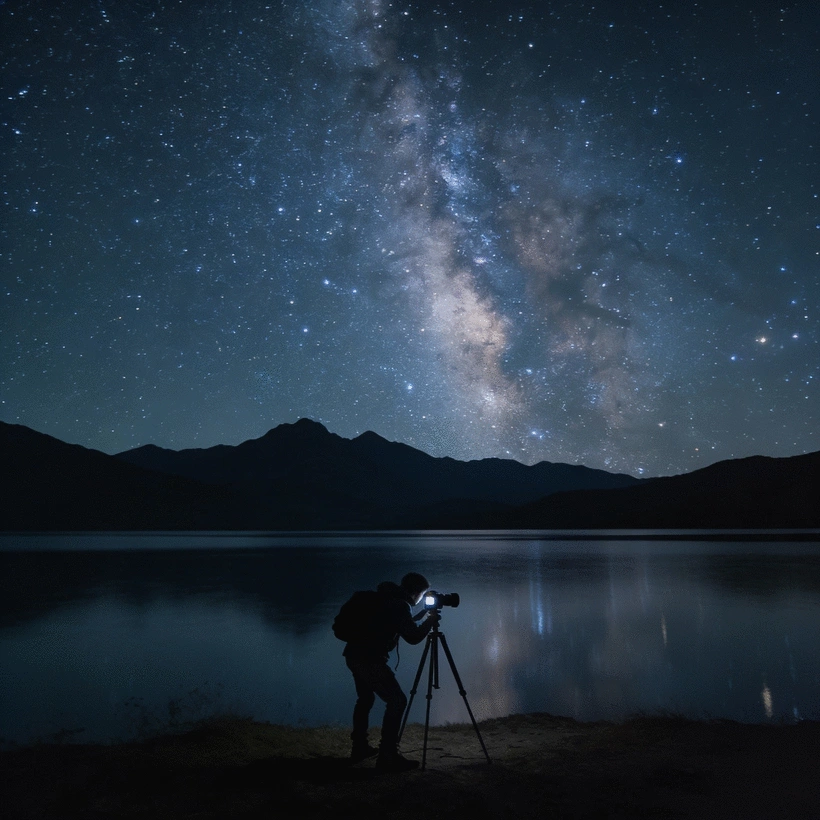
Astrophotography involves using cameras and telescopes to take pictures of astronomical objects. It’s an exciting blend of art and science that allows you to document your findings and share them with others. The right telescope can make all the difference in your ability to capture clear, detailed images of planets, stars, and galaxies. For a comprehensive overview, check out our beginner's guide to astrophotography.
- Captures stunning details of celestial bodies
- Allows for long-exposure imaging to see fainter objects
- Enhances overall stargazing experience
With the right gear, you can engage with the cosmos like never before! It’s about setting the stage for your creativity and curiosity to shine.
Key Factors in Selecting a Telescope for Your Astrophotography Goals
Choosing the right telescope can feel overwhelming, but focusing on a few key factors can simplify the process. Here are some essential considerations:
- Aperture: The size of the main lens or mirror which determines how much light your telescope can gather.
- Focal Length: This affects how you view and photograph celestial objects, influencing both detail and field of view.
- Mount Type: Stability is crucial for long exposures. Consider equatorial or altazimuth mounts based on your needs.
At Milroy Observatory, we often recommend beginners start with a telescope that balances these features well, as it can lead to a more enjoyable and fruitful astronomy journey.
Mounting Types Explained: Equatorial vs. Altazimuth
Understanding the two primary types of mounts can help you make an informed decision. Each has its unique advantages:
- Equatorial Mounts: Designed for astrophotography, they align with the Earth's axis and allow you to track celestial objects smoothly as they move across the sky.
- Altazimuth Mounts: These are simpler and easier to use for beginners, allowing movement in both horizontal and vertical directions.
While equatorial mounts are ideal for longer exposures, altazimuth mounts can be more user-friendly for those just starting out! Ultimately, your choice should reflect your level of experience and astrophotography goals.
Pro Tip
When selecting a telescope for astrophotography, consider starting with a model that has a larger aperture and a stable mount. This combination allows for better light collection and reduces vibrations during long exposure shots, ultimately leading to clearer and more detailed images of celestial objects.
Frequently Asked Questions (FAQs)
Q: Why is choosing the right telescope important for astrophotography?
A: The right telescope amplifies your ability to capture details, colors, and textures of celestial objects that are otherwise invisible to the naked eye. It transforms stargazing into a breathtaking journey and is crucial for capturing clear, detailed images.
Q: What are the key factors to consider when selecting a telescope for astrophotography?
A: The key factors include Aperture (how much light it gathers, affecting detail and brightness), Focal Length (influencing magnification and field of view), and Mount Type (crucial for stability during long exposures).
Q: What is the difference between equatorial and altazimuth mounts?
A: Equatorial mounts align with Earth's axis and smoothly track celestial objects, making them ideal for astrophotography and long exposures. Altazimuth mounts are simpler, move horizontally and vertically, and are more user-friendly for visual observing and beginners.
Q: Can interactive tools help me choose a telescope?
A: Yes, interactive tools like telescope comparison charts, online calculators, and virtual reality simulations can help refine your choice by comparing specifications, determining optimal settings, and visualizing performance.
Q: Where can I find inspiration for my astrophotography journey?
A: You can find inspiration and learn techniques from user-generated content on platforms like Astrobin, Flickr, and Instagram by searching relevant hashtags such as #Astrophotography.
Taking the Next Steps: Your Astrophotography Journey Awaits
As you embark on your astrophotography journey, the possibilities are truly exciting! I often find inspiration from the incredible images captured by fellow enthusiasts—there's something magical about seeing the universe through different lenses. User-generated content can ignite your passion and provide a glimpse into what you can achieve with the right equipment and dedication. For those looking to upgrade or understand more about their options, exploring different telescope types like refractor, reflector, and catadioptric is highly recommended.
Imagine scrolling through stunning photographs of nebulae, galaxies, and planets! Each image tells a story of creativity, patience, and the joy of discovery. Engaging with these examples can help you visualize the potential of your own astrophotography journey. If you’re looking for a starting point, here are a few platforms where you can find awe-inspiring content:
- Astrobin: A community-driven website perfect for sharing and discovering astrophotography.
- Flickr: A great resource for stunning imagery and connecting with photographers.
- Instagram: Search popular hashtags like #Astrophotography to see what others are capturing.
Viewing these images not only fuels your excitement but also provides insights into techniques and equipment used by others in the field. Remember, every great astrophotographer started somewhere—just like you!
Interactive Tools: Finding Your Ideal Telescope for Astrophotography
One of the best ways to refine your telescope choice is through interactive tools designed to help you select the right equipment for your astrophotography needs. At Milroy Observatory, we emphasize the importance of hands-on experience, so let’s explore some fantastic resources that can guide your decision-making process.
Consider using the following tools:
- Telescope Comparison Charts: These allow you to compare specifications and features side by side, helping you weigh the pros and cons of various models.
- Online Calculators: Tools that help you determine the best focal length and aperture based on your desired targets.
- Virtual Reality Simulations: Some platforms offer VR experiences to visualize how different telescopes will perform in various situations.
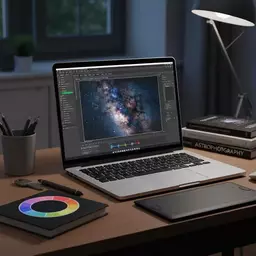
Engaging with these interactive tools not only simplifies the selection process but also enhances your understanding of what to expect from your astrophotography setup. As you research, don’t hesitate to reach out to the Milroy Observatory community with questions—after all, we’re here to support your journey into the stars! For more insight into what you might need, consider reviewing essential astrophotography gear for Australia.
Recap of Key Points
Here is a quick recap of the important points discussed in the article:
- Astrophotography requires the right telescope to capture stunning images of celestial objects.
- Key factors in selecting a telescope include aperture, focal length, and mount type.
- Equatorial mounts are preferable for astrophotography, while altazimuth mounts are user-friendly for beginners.
- Interactive tools like telescope comparison charts and online calculators can aid in making informed decisions.
- Engaging with user-generated content on platforms like Astrobin and Instagram can inspire your astrophotography journey.